Choosing between Albany and Corvallis can feel like splitting hairs until you dig into how each market actually lives. You want the right mix of price, pace, commute, and access to the outdoors. This guide walks you through the on-the-ground differences so you can shop with clarity and make a confident move. Let’s dive in.
Quick take: Albany vs Corvallis
- Price and pace: Corvallis typically runs higher in price with tighter inventory and faster sales. Albany tends to offer a broader range of price points and more options across neighborhoods.
- Housing mix: Albany has many mid-century homes and newer subdivisions with larger lots in several areas. Corvallis leans more compact near the core with a notable share of multifamily and infill.
- Connectivity: Albany sits on I-5 and has an Amtrak station for easy regional travel. Corvallis is west of I-5 with strong in-town access and regional bus connections.
- Lifestyle: Both have Willamette River frontage and active park systems. Corvallis concentrates dining and culture in a very compact downtown, while Albany blends a historic core with larger retail clusters along major corridors.
Market snapshot: what to expect
Pricing patterns
In recent cycles, Corvallis has often posted higher typical home values than Albany. Limited supply and steady demand make listings in Corvallis more competitive, especially in central neighborhoods. Albany generally delivers a wider spread of options across entry, mid, and move-up tiers.
Inventory and time on market
Albany usually carries more active listings, especially single-family homes and newer subdivisions on the city’s edges. Corvallis often shows fewer new single-family listings in-city and a faster pace of accepted offers. Expect popular homes in both cities to draw attention quickly, with tighter timelines more common in Corvallis.
Price trajectory and stability
Both markets followed broader Northwest trends with strong appreciation through 2020 to 2022, a slower phase in 2022 to 2023, and a steadying pattern through 2023 to 2024. Albany may feel shifts in regional conditions sooner because there is usually more inventory, while Corvallis tends to stay firm due to limited supply.
Housing stock and styles
Albany: variety and room to grow
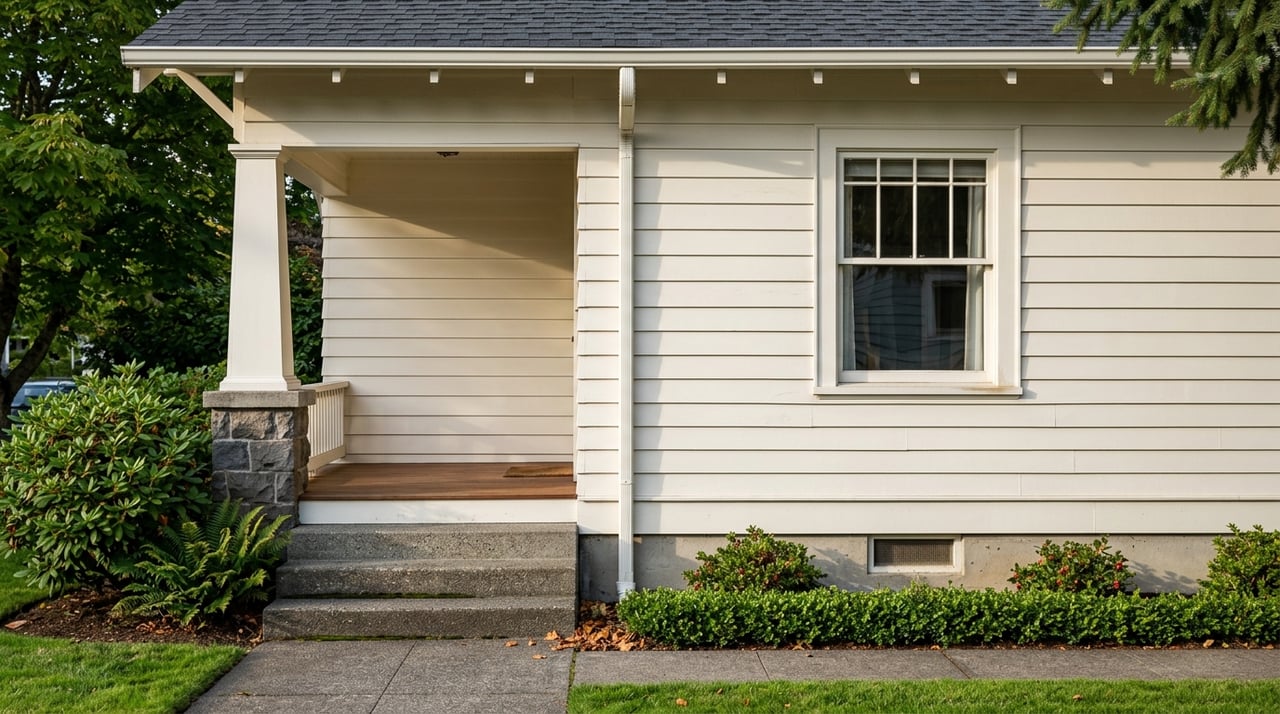
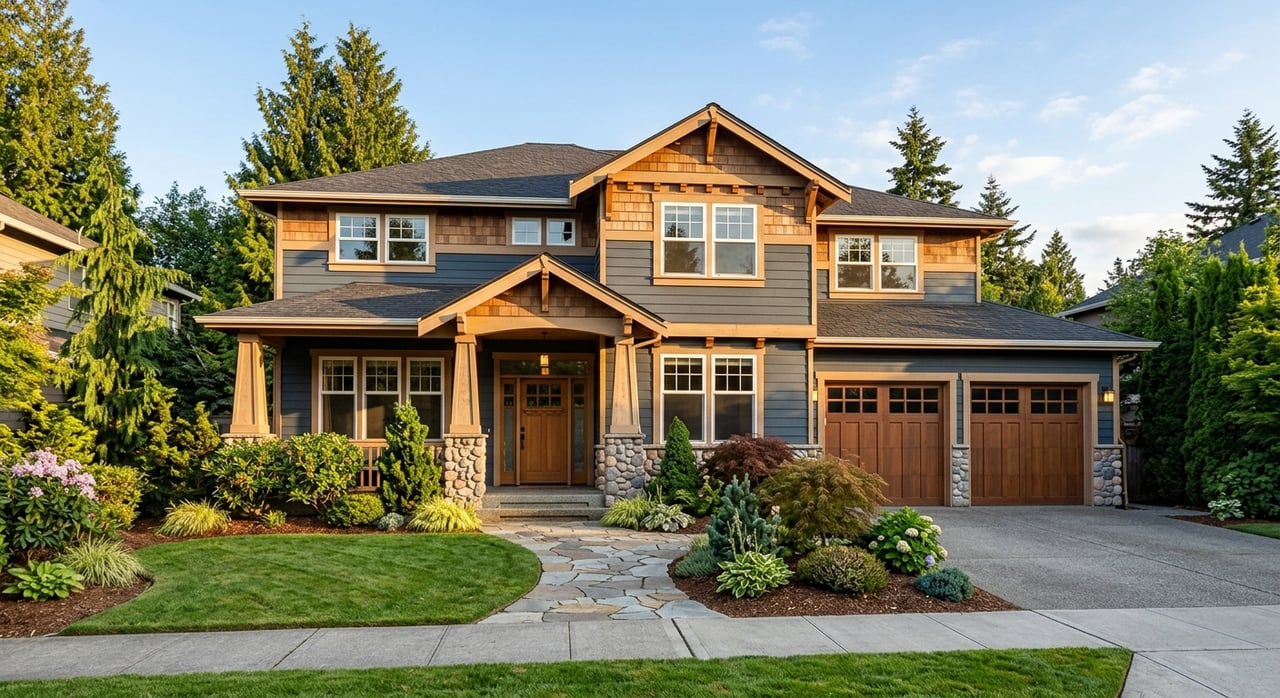
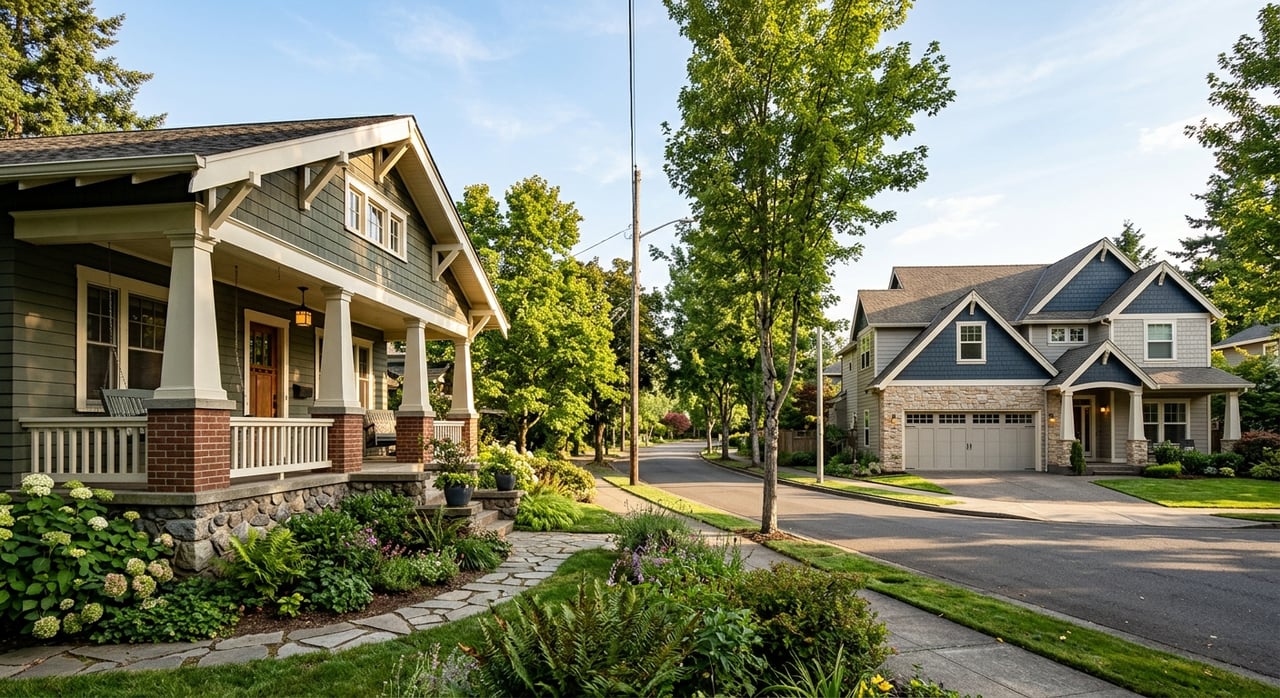
Albany offers a deep inventory of mid-century ranches and split-levels across multiple neighborhoods. You also find several subdivisions from the 1990s through the 2010s, which appeal if you want contemporary layouts and larger lots in some areas. Downtown Albany mixes historic homes and commercial spaces on smaller lots near the riverfront.
Corvallis: compact core and infill
Corvallis features older, smaller-lot homes closer to the city center and a denser pattern of infill over time. The city carries a greater share of multifamily and townhome-style options in and around the core. Single-family new construction exists but is typically more limited inside city limits compared with Albany.
What this means for your search
- If you want a newer, move-in-ready home with a yard, Albany often presents more choices across several price tiers.
- If you prefer a compact home near a highly walkable downtown, Corvallis offers strong in-town options with condo and townhome possibilities.
- For fixer potential, mid-century Albany neighborhoods can be fertile ground if you plan to renovate.
Condition and renovation planning
Older homes in both cities can shine with the right updates. Build your inspection plan around the era of the house.
- Pre-1978 properties may require extra attention to paint, electrical, plumbing, and insulation. Ask inspectors about potential lead-based paint and asbestos in older materials.
- Mid-century homes often need roof, window, and mechanical upgrades. Check for sewer scope results and any foundation or drainage improvements.
- Newer subdivisions can reduce near-term maintenance, but you still want to review builder quality, HOA rules, and any special assessments.
- On the outskirts or on larger lots, verify whether the home is on city sewer or a private septic system, and schedule appropriate inspections.
Commute and connectivity
Albany: I-5 and Amtrak access
Albany connects directly to I-5, which simplifies north-south travel to Salem, Portland, and Eugene. The city also has an Amtrak station for intercity rail, plus park-and-ride habits common among regional commuters. If you travel often for work, Albany’s location can make life easier.
Corvallis: in-town convenience
Corvallis sits west of I-5 and uses state highways to reach the corridor. In-town, the street grid and bike routes support short local commutes. Regional bus and shuttle services connect Corvallis to nearby hubs, which helps if you split time between cities but prefer a compact daily footprint.
Biking and walking
Both cities invest in active transportation networks. You can find bike lanes, shared-use paths, and walkable pockets near each downtown. The feel varies by neighborhood, so plan scouting rides or walks during typical commute hours.
Outdoor access and downtown amenities
River, trails, and weekend escapes
Albany and Corvallis both touch the Willamette River, which provides riverfront parks, paths, and seasonal events. Corvallis sits closer to the Coast Range and trailheads leading toward Marys Peak. Albany’s central position along I-5 supports both eastward trips toward the Cascades and westward drives toward the coast.
Dining, culture, and services
Albany blends a historic downtown district, riverfront greenspace, and county services with larger retail clusters along major corridors. Corvallis concentrates many restaurants, coffee shops, and small retailers in a compact core that stays lively into the evening. Both cities provide day-to-day essentials, healthcare access, and civic amenities within a short drive.
Which city fits your goals?
- Value and yard space: Albany typically offers more options for larger lots and a range of price points.
- Newer move-in-ready: Albany often has more single-family new construction in and around the city.
- Low-maintenance living: Corvallis provides numerous smaller-lot homes and attached options near the core, with strong walkability.
- Regional commuter: Albany’s I-5 and Amtrak access can reduce travel friction.
- Trail-first lifestyle: Corvallis offers quick jumps into the Coast Range, while Albany’s central spot makes both mountains and coast reachable.
- Small-scale building or infill: Albany and nearby communities may present more single-family subdivision opportunities, while Corvallis often shows infill and multifamily momentum.
Buying smart across both markets
Align must-haves with micro-areas
List your non-negotiables, then match them to neighborhoods where the housing stock fits. If you want a newer 4-bedroom with a yard, target Albany subdivisions. If you want a compact home steps from coffee and dining, start near the Corvallis core.
Track new listings and act fast
In tighter pockets, the best homes move quickly. Set alerts, tour early, and review disclosures in advance so you can write a clean, timely offer when the right one hits.
Calibrate your offer strategy
Expect faster timelines and closer-to-list results in competitive Corvallis neighborhoods. In Albany, pricing and negotiation room vary more by micro-area and product type, so lean on recent nearby sales to dial in terms.
Plan for era-specific inspections
Tailor inspections to the age of the property. Add sewer scope, roof evaluation, and HVAC checks for older homes. For newer builds, confirm warranty coverage and quality of finishes and systems.
Pressure-test your commute and routines
Drive or ride your actual route at peak times. Test parking near downtowns if you plan to work or spend evenings there. Try a bike or transit run to gauge feasibility and comfort.
Work with a team that knows both
If you are comparing Albany and Corvallis, you benefit from a guide who works both markets every week. Our team combines local, relationship-driven service with the technical know-how to evaluate homes, land, and small development opportunities. We use local MLS access and specialized land channels to put the right options in front of you and help you buy with confidence. When you are ready, reach out to Wildland Property Group to start your search or talk strategy.
FAQs
How much more will I pay in Corvallis compared to Albany?
- Corvallis typically shows higher prices and tighter supply, while Albany offers a wider range of price points. Your exact difference depends on neighborhood and home type, so ask your agent for current city-by-city medians before you write.
Which city has more new single-family construction options?
- Albany often presents more single-family subdivision choices across multiple price tiers. Corvallis tends to see more infill and multifamily activity in and near the core, with fewer large, in-city single-family plats.
If I need Amtrak or easy highway access, which city fits better?
- Albany. It offers direct access to I-5 and an Amtrak station, which simplifies regional commuting and intercity travel.
Are downtown neighborhoods walkable if I want to live near shops and dining?
- Corvallis has a compact, very walkable core with many businesses in a small footprint. Albany’s historic downtown is also walkable, while several neighborhoods elsewhere are more car-oriented due to retail clusters along major corridors.
What outdoor recreation is close to each city?
- Both cities have Willamette River access and riverfront parks. Corvallis provides quick access to Coast Range trailheads, including routes toward Marys Peak. Albany’s central location along I-5 makes both the coast and Cascades reachable for day trips.
Where can I find lower-maintenance options vs fixer-upper potential?
- For lower-maintenance living near downtown, Corvallis offers smaller-lot homes and attached options. For fixer potential and variety, Albany’s mid-century neighborhoods and newer subdivisions give you a wider spread to choose from.