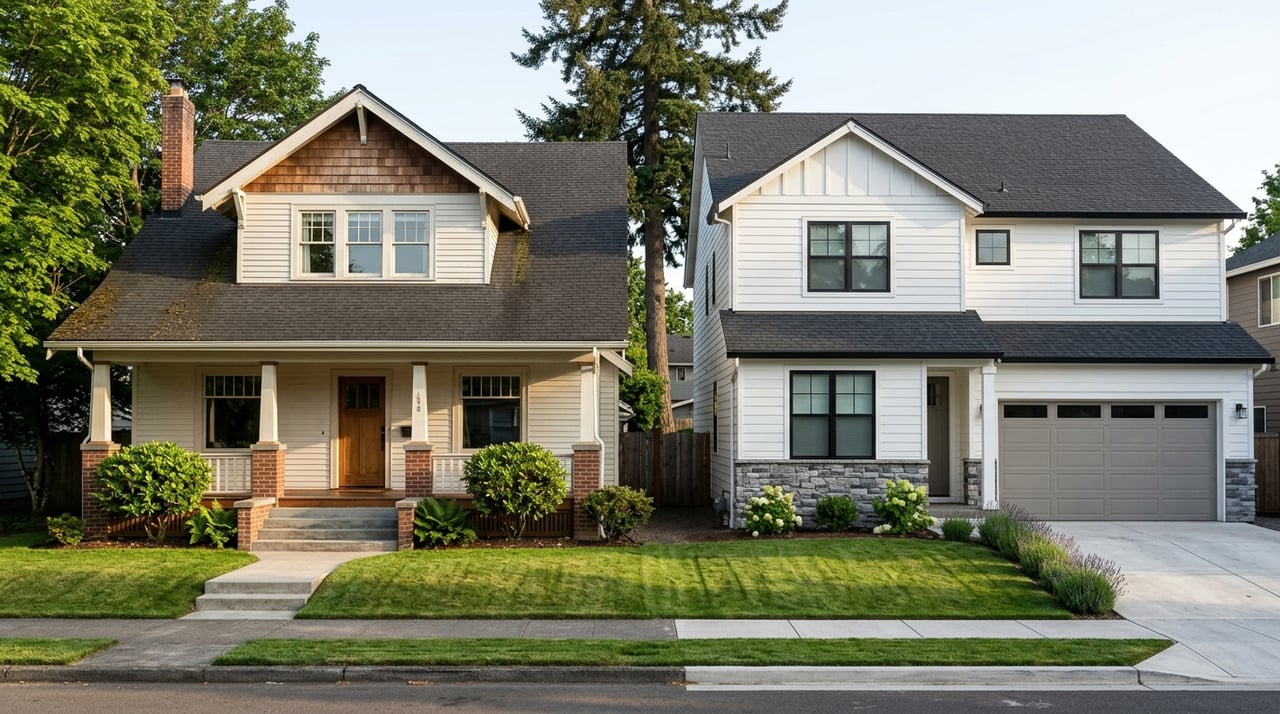
Wondering whether an older home or a newer build makes more sense in Albany? You are not alone. In a city with a large stock of pre-1980 homes and steady new housing development, the right choice often comes down to how you want to live, what kind of upkeep you can handle, and where you want to be. This guide will help you compare both options in Albany so you can move forward with more clarity and confidence. Let’s dive in.
Why home age matters in Albany
Albany gives you a real mix of housing choices. The city reports that 65.9% of its housing inventory was detached single-family homes in 2019, and its 2021 ACS-based Consolidated Plan says 52% of housing units were built before 1980. That includes 2,689 homes built before 1950 and 8,591 built from 1950 to 1979.
That matters because home age affects more than style. It can shape your maintenance budget, energy costs, renovation plans, and even what changes you can make to the property later. In Albany, those differences are especially important because older homes are a major part of the market, not a small niche.
Albany is also growing. The city says it has about 58,000 residents and is Oregon’s third-fastest-growing city, and its Housing Needs Analysis projects up to 9,400 additional housing units by 2040 under the higher-growth scenario. So when you compare older and newer homes here, you are looking at both Albany’s history and its future.
What older homes can offer
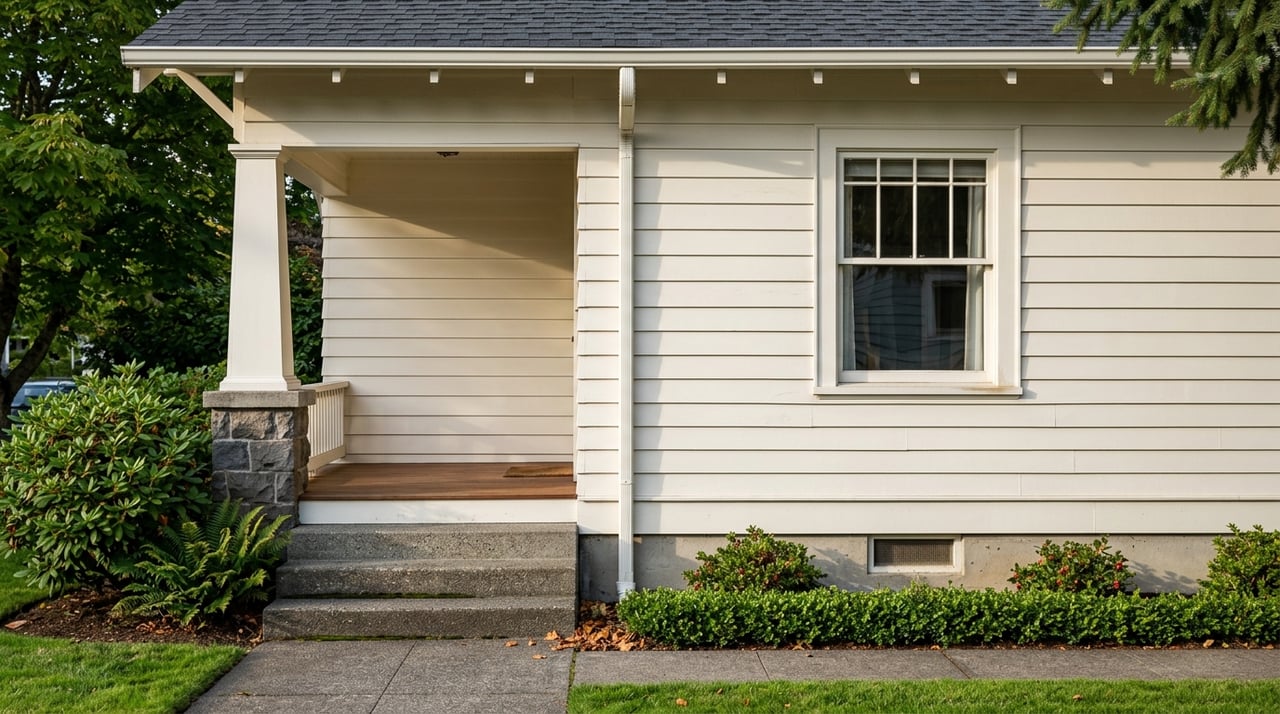
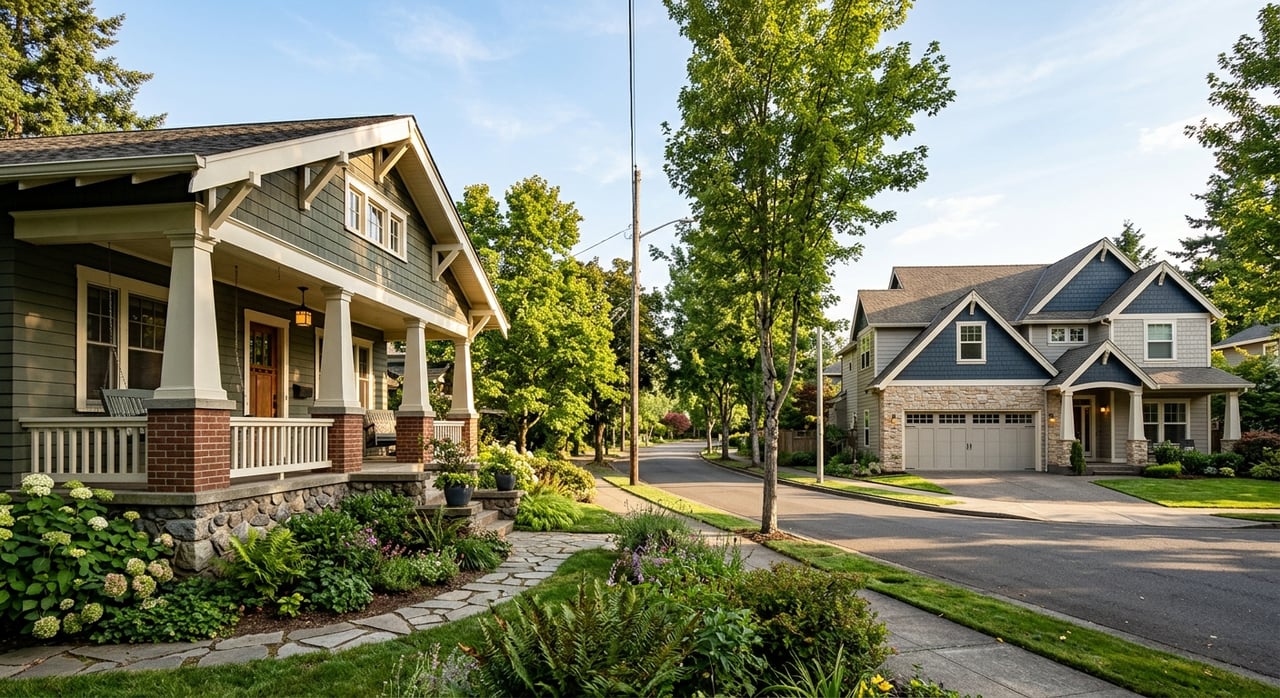
Older homes in Albany often appeal to buyers who want character, central locations, and established surroundings. Many of the city’s oldest homes are found near downtown and the Willamette River, including in the Monteith, Hackleman, and Downtown Commercial historic districts. If you like mature streetscapes and homes with a distinct sense of place, older properties may feel especially compelling.
There can also be a price advantage. Albany planning documents note that older housing tends to be cheaper, which can help with affordability. For some buyers, that lower entry point creates room in the budget for updates over time.
Older homes can also offer layouts and lot patterns that feel different from newer construction. You may find homes on more established lots, closer to downtown amenities and long-developed parts of the city. If location is high on your list, an older home may open doors that a newer build cannot.
What to watch for with older homes
Charm is real, but so is maintenance. Albany’s planning documents say many homes built before 1980 need rehabilitation, and homes built before 1980 are more likely to contain lead hazards. Homes built before 1950 carry the highest risk.
That means you should look beyond finishes and curb appeal. An older home may need updates related to wear and tear, comfort, efficiency, or safety. If you are shopping in this segment, it helps to build a repair and upgrade budget from the start.
Energy performance is another key factor. Older homes may not have been built with modern insulation standards, so it is wise to assess insulation, air leakage, ducts, windows, moisture, and HVAC systems before deciding what improvements may be needed. In practical terms, a lower purchase price can be balanced out by the cost of making the home more comfortable and efficient.
Historic district rules also matter in Albany. The city requires review for exterior alterations, additions, and demolition in designated historic districts. If you are considering a home in one of these areas, make sure you understand what that could mean for future projects before you write an offer.
What newer homes can offer
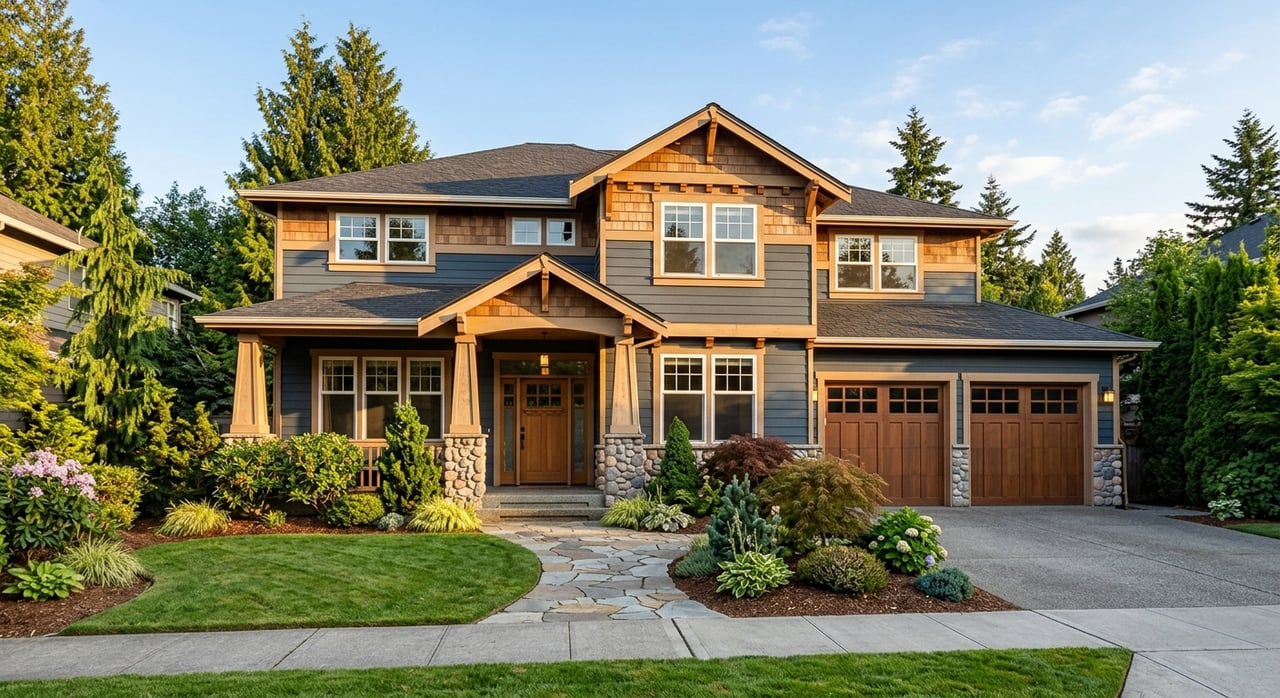
Newer homes in Albany often attract buyers who want a more predictable ownership experience. One of the biggest benefits is efficiency. Homes built under Oregon’s current residential energy code start with a stronger baseline for insulation, equipment, windows, lighting, and other energy-related features.
That can mean fewer immediate projects after closing. Compared with many older homes, newer construction may reduce the need for early spending on air sealing, insulation, or major system improvements. If you want a move-in-ready feel with fewer unknowns, newer homes can be appealing.
Newer inventory in Albany may also look different than what some buyers expect. The city says residential permits have averaged 300 units per year since 2000, with about 20% multifamily, and future growth will likely require more medium-density and higher-density housing. That means newer choices may include cottages, townhomes, compact lots, or infill housing, not just large-lot homes.
Albany’s housing policies also support smaller and more flexible housing forms. The city has taken steps such as reducing lot sizes and side setbacks for houses under 1,250 square feet, allowing more cottages per lot, and requiring pocket parks in larger subdivisions. For buyers, that can translate into newer homes with efficient footprints and community-oriented layouts.
What to watch for with newer homes
A newer home is not automatically the better fit. In some cases, newer homes may offer less lot space, a different neighborhood feel, or a more compact layout than an older property. If you picture mature landscaping or a more established setting, newer construction may not match that vision.
You may also find that the trade-off for lower maintenance is a different style of location. Because Albany’s future growth includes more infill and denser housing types, some newer homes may prioritize efficiency and land use over larger yards or traditional spacing. That can be a plus or a drawback depending on your goals.
The key is to compare what you are actually getting. A newer home may save you time and surprise expenses in the near term, but an older home may offer a location or feel that matters more to you over the long run.
How Albany buyers can decide
In Albany, the answer is rarely just “old” or “new.” It is more often about matching the home to your budget, your comfort with maintenance, and your long-term plans. That is especially true in a market where inventory remains tight.
GCAR’s March 2026 local market update showed Albany’s year-to-date median sales price at $261,589, months supply of inventory at 0.8, and days on market at 40 for the month. With inventory that low, buyers often need to weigh condition, location, and updates just as carefully as age.
Albany’s broader housing costs add useful context. Census QuickFacts lists a median owner-occupied housing value of $352,900, median monthly owner cost with a mortgage of $1,829, and median gross rent of $1,311. Those numbers can help you think through what room you have for repairs, upgrades, or a higher purchase price.
Here is a practical way to frame the decision:
- Choose an older home if you value established neighborhoods, historic character, and the possibility of a lower entry price.
- Choose an older home if you are comfortable planning for repairs, efficiency upgrades, or renovation work.
- Choose a newer home if you want current-code efficiency and fewer immediate unknowns.
- Choose a newer home if you like the idea of a lower-maintenance start and are open to newer lot patterns or denser housing forms.
A smart next step for older homes
If you are leaning toward an older home, a home-energy assessment can be a smart move. It can help identify where the house is losing efficiency and which improvements may matter most first. That gives you a clearer picture of true ownership costs, not just the list price.
This is also worth watching if you plan to improve an older home over time. Oregon says its Home Energy Rebate Programs, including HOMES and HEAR, are being rolled out in 2026 for existing homes. HOMES is designed for whole-home efficiency upgrades, while HEAR can cover qualifying appliances and related upgrades such as insulation and air sealing.
The right fit depends on you
Albany has room for both kinds of buyers. Some people want the charm and setting of an older home near the city’s historic core. Others want the efficiency and simplicity that often come with newer construction.
Neither path is automatically better. The best choice is the one that fits your budget, your preferred location, and how much time and money you want to put into the home after closing. When you look at homes through that lens, the decision usually gets much easier.
If you want help comparing older and newer homes in Albany, Wildland Property Group is here to help you sort through the options with clear local guidance and a practical game plan.
FAQs
How common are older homes in Albany, Oregon?
- Albany has a large older housing stock. The city’s 2021 ACS-based Consolidated Plan says 52% of housing units were built before 1980.
What are the main benefits of buying an older home in Albany?
- Older homes in Albany often offer character, established locations, and in some cases a lower entry price than newer homes.
What risks should buyers consider with older Albany homes?
- Many older homes may need rehabilitation, and homes built before 1980 are more likely to contain lead hazards, with the highest risk in homes built before 1950.
What are the main benefits of buying a newer home in Albany?
- Newer homes are built to current Oregon energy code standards, which can mean better efficiency and fewer immediate upgrade needs.
Are newer homes in Albany only large suburban houses?
- No. Albany’s recent housing patterns and policy changes support cottages, townhomes, compact lots, and other infill housing types in addition to traditional detached homes.
Do historic district rules affect older homes in Albany?
- Yes. In Albany’s designated historic districts, exterior alterations, additions, and demolition can require city review.
How can buyers compare true costs between an older and newer Albany home?
- A good approach is to compare the purchase price along with likely repair, maintenance, and energy upgrade costs, especially if you are considering an older home.