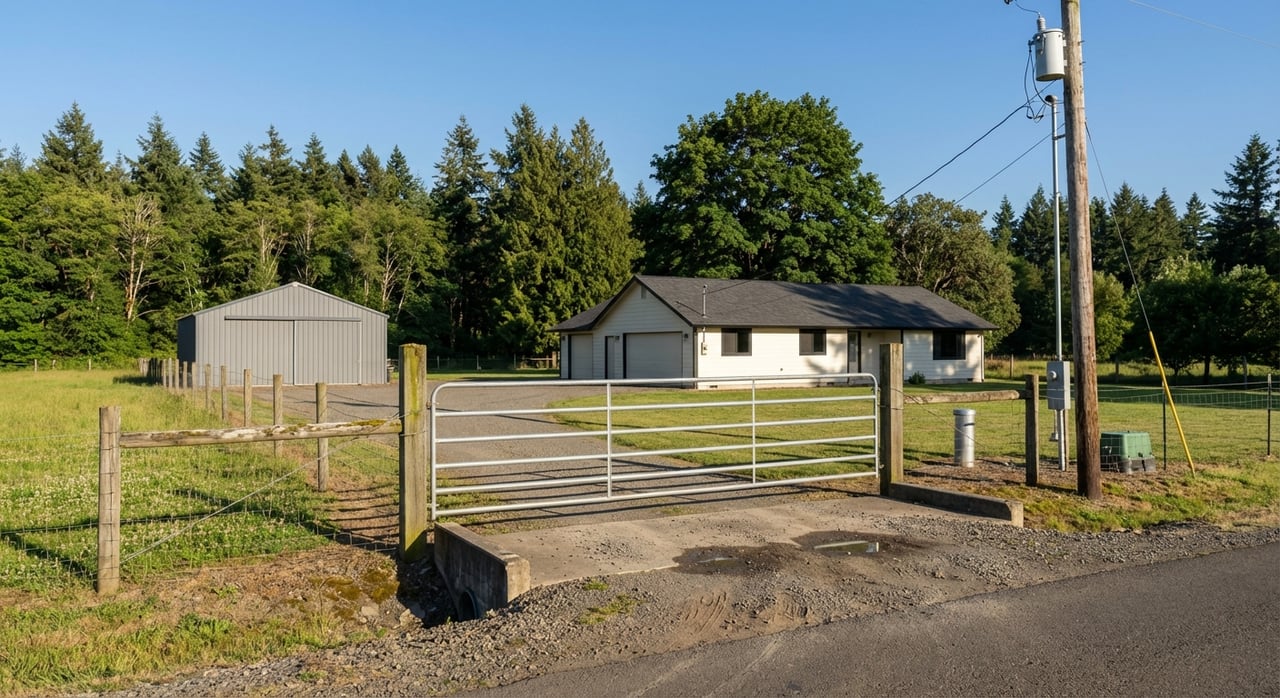
Dreaming of a few peaceful acres near Jefferson where you can garden, keep a few animals, or simply breathe a little easier? The Jefferson area offers a sweet spot between Salem and Albany, but buying rural land is different than buying a house in town. You need clear answers on zoning, water, septic, access, and hazards before you fall in love with a property. This guide walks you through the key questions to ask and the documents to collect so you can buy with confidence. Let’s dive in.
Know your zoning and lot size
Start with the zoning. Around Jefferson, you’ll typically see Marion County’s Acreage Residential (AR) zones and farm resource zones like Exclusive Farm Use (EFU) or Special Agriculture (SA). The AR zones are intended for acreage homesites and have minimum lot sizes, while EFU and SA prioritize commercial agriculture with stricter rules on nonfarm development. You can review standards and allowed uses in the county code for the Acreage Residential (AR) chapter and EFU/SA chapters.
If you plan to divide land, confirm whether the parcel has an AR suffix like AR-2, AR-5, or another minimum. For example, an AR-2 property may allow 2-acre lots if you meet standards, while an EFU parcel will likely not allow the same split. Also confirm whether the land was subject to later plan policies that affect minimums and whether site services like water and septic can support a split.
Oregon law also defines how you can divide property. A partition creates up to three parcels in a calendar year and a subdivision creates four or more, with procedures set in ORS 92. Before you buy with plans to split, verify the exact zone, minimum lot size, and county land-division process.
Ask now
- What is the exact Marion County zone and any AR suffix on this tax lot?
- Are land divisions allowed here, and what is the minimum lot size?
- Does the property meet access, water, and wastewater standards required for a split?
Check wells and water rights
Water is essential on acreage. In Oregon, some groundwater uses are legally “exempt,” including single or group domestic use up to 15,000 gallons per day, but irrigation beyond small exempt amounts can require a full water right. Review guidance from the Oregon Water Resources Department and confirm any recorded rights or basin limits using the OWRD water-rights FAQs.
Oregon also ties well testing to real-estate sales. Under the Domestic Well Testing Act, when a property with a domestic well transfers, the seller must test for nitrate, total coliform bacteria, and arsenic and submit the required form to the Oregon Health Authority. You can read the process and testing rules on the OHA Domestic Well Safety page. Depending on your plans, consider additional testing for metals, VOCs, and other parameters.
Your well due-diligence list
- Ask for the well log and any OWRD records showing exempt status or water rights.
- Review the most recent OHA-required test results and consider a buyer-ordered lab test.
- If you plan to irrigate or add dwellings, confirm whether your use remains exempt or needs a permit.
Verify septic feasibility
Most rural properties use septic. In Marion County, the Building Inspection division administers onsite sewage permits and site evaluations under Oregon DEQ rules. Before you close, request the property’s septic records or arrange a county site evaluation if none exist. You can find program details and contacts on the Marion County Onsite Sewage page.
Soils, seasonal water tables, and slopes can change system types and costs. The NRCS Web Soil Survey is a good first screen, while the county’s site evaluation is the controlling step for permits. For a quick soils overview tool, visit the NRCS soil survey database.
Septic records to request
- County site evaluation (approved test holes and type of system)
- Construction/installation permit and as-built drawing
- Pumping and repair history, plus any maintenance contracts
Confirm access and utilities
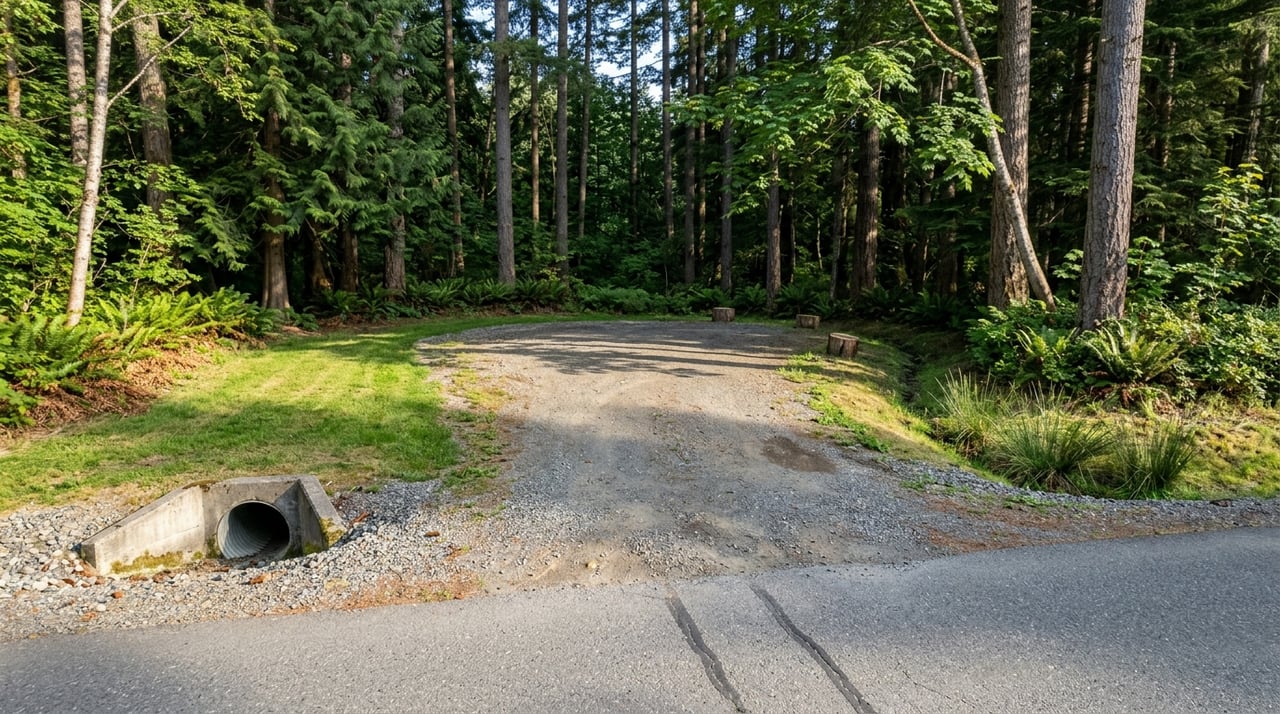
Access is fundamental. Make sure the driveway or private lane is legal, with a recorded easement or public right of way, and confirm who maintains it. Marion County requires access/driveway permits for new connections to county roads, and fire agencies have standards for emergency access. Review the county’s current forms on the Applications and Brochures page and ask the local fire district about any driveway requirements.
Electricity, gas, and internet vary by parcel. Pacific Power commonly serves this area, but service boundaries and line-extension costs change from property to property. Ask the utility for a written estimate if new poles or a transformer are needed, and include a utility-feasibility contingency in your offer so you can exit or renegotiate if costs or timelines are not acceptable.
Access and utility checks
- Recorded access and road maintenance agreement, if private
- Driveway permit requirements and fire access standards
- Written line-extension and hookup estimates for power and internet
Understand right to farm and nearby uses
Jefferson sits in a working agricultural landscape. Oregon law protects customary farm and forest practices in farm and forest zones, which means spraying, equipment noise, odors, and seasonal traffic can occur. Review the statewide framework in ORS 215 and verify the zoning and uses on adjacent properties so your expectations match the setting.
When you tour, note nearby cropland, orchards, or animal operations and ask the seller about typical seasonal activities. If you plan a hobby farm, consider how you will buffer sensitive areas on your land. Understanding the context helps you avoid surprises.
Evaluate hazards and insurance
Wildfire risk varies across Marion County, including in wildland-urban interface areas. Use the resources linked by local fire agencies to look up parcel-level wildfire information and defensible-space guidance. A good starting point is the Stayton Fire District resource links and your local fire district’s guidance on driveway and response standards.
If a property sits near the Santiam River or mapped floodplains, review FEMA flood maps and ask your insurer about coverage and premiums. In some cases, building elevation standards, setbacks, or septic placement limits will apply. Always confirm insurance availability and cost early, especially in higher wildfire or flood-risk areas.
Your pre-closing checklist
Use this list to keep your due diligence tight and on track:
- Zoning and land division: Verify the exact zone and any AR suffix, and confirm whether partitions or subdivisions are feasible under ORS 92 and county rules.
- Title and access: Order a title commitment and review all easements, CC&Rs, and road maintenance agreements. Confirm legal access and driveway permit needs using the county’s Applications and Brochures.
- Septic: Pull county records or require a site evaluation and permit contingency. Start with the Marion County Onsite Sewage program.
- Well and water rights: Collect the well log, review OHA-required test results, and confirm exempt status or rights via OWRD. Consider additional lab testing.
- Utilities: Get written estimates for power and internet extensions, including any transformer or pole work.
- Hazards and insurance: Check local wildfire resources via Stayton Fire District links and review FEMA flood mapping if near waterways. Verify insurance availability and premiums.
- Soils and buildability: Run a first-pass soils screen with NRCS and rely on the county site evaluation for septic feasibility.
- Taxes: Ask the Marion County Assessor whether any farm or forest special assessment applies and how a change of use could affect taxes.
Buying acreage near Jefferson is about more than a scenic view. When you confirm zoning, water, septic, access, and hazards up front, you protect your budget and set yourself up for the rural lifestyle you want. If you’d like a local, land-savvy team to help you navigate each step, reach out to Wildland Property Group. We’ll help you ask the right questions and line up the right experts so you can move forward with clarity.
FAQs
What zoning issues should I check before buying acreage near Jefferson, OR?
- Confirm whether the parcel is Acreage Residential (AR) or a farm zone like EFU/SA, verify any AR minimum lot size, and review allowed uses in the county code.
How do Oregon well testing rules impact a rural land purchase in Marion County?
- At sale, domestic wells must be tested for nitrate, total coliform bacteria, and arsenic under OHA rules; review results and consider additional buyer testing.
Can I split a 10-acre parcel near Jefferson into smaller lots?
- It depends on zoning and minimum lot size; AR zones may allow divisions that meet standards, while EFU/SA zones restrict nonfarm lots, and divisions must follow ORS 92.
What should I know about septic systems on rural Jefferson properties?
- Request county septic records or require a site evaluation; soils and water tables can require advanced systems, and Marion County Building Inspection oversees permits.
How do wildfire and flood risks affect insuring acreage near Jefferson?
- Higher wildfire or flood risk can change coverage and premiums; check local wildfire resources, FEMA flood maps, and confirm insurance availability early.