If you are trying to picture daily life in Corvallis, it helps to think beyond a simple college-town label. Yes, Oregon State University shapes the city in a big way, but everyday life here also revolves around a walkable downtown, a well-used riverfront, and a deep bench of parks and trails that pull you outdoors. If you want a feel for how Corvallis actually lives from morning coffee to weekend market runs, this guide will walk you through it. Let’s dive in.
Corvallis at a Glance
Corvallis is the county seat of Benton County and the principal city of the Corvallis metro area in central western Oregon. It sits about 85 miles south of Portland and roughly 44 miles north of Eugene-Springfield, which gives you access to larger regional hubs while keeping a smaller-city feel.
The city’s estimated population is 61,993, and Oregon State University reported 38,460 students for fall 2025. That combination helps explain why Corvallis feels active, compact, and steady at the same time. You get a strong civic center, regular foot traffic, and a mix of students, faculty, downtown workers, and long-term residents moving through the city each day.
Downtown Corvallis Sets the Pace
For many people, downtown is where everyday Corvallis comes into focus. The city says downtown has more than 150 businesses and hosts dozens of events each year, so it is not just a business district. It is a regular gathering place where errands, meals, events, and social time often overlap.
Downtown also has mixed-use zoning, which allows residential and commercial uses together. In practical terms, that supports a more lived-in feel with apartments, upper-floor housing, and redevelopment that keeps the area active beyond standard business hours.
What daily life downtown feels like
In the central city, it is realistic to build a routine around walking between different parts of your day. You might grab coffee in the morning, meet someone for lunch, browse local shops, and circle back later for a movie, live performance, or another evening activity without needing to leave the core area.
Oregon State’s visitor guide points to restaurants, shops, live music, art shows, trails, an independent cinema, live theater, bowling, and other activities within walking distance of campus and downtown. That supports the idea that the heart of Corvallis is not one-note. It offers enough variety for a regular routine, not just the occasional outing.
Riverfront Life Is Part of the Routine
Riverfront Commemorative Park is one of the city’s signature public spaces, and it plays a real role in daily life. The park stretches along 1st Street on the Willamette River and covers nearly 12 acres, giving downtown a strong connection to the water.
This is not just a scenic edge to the city. The park includes plazas, overlook areas, a seasonal fountain, a skate park, a fenced off-leash dog area, and a 12-foot multimodal path that connects into the Corvallis-Philomath pathway.
Why the riverfront matters
What makes the riverfront stand out is how often it gets used. The city notes that markets, festivals, running events, and other community activities regularly take place here, which means the space functions as part park and part public living room.
If you are the kind of person who wants your city to feel active without feeling hectic, this area is a big part of Corvallis’s appeal. It gives you a place to walk, gather, or take a break by the river while staying close to downtown businesses and transit.
The Farmers’ Market Shapes the Week
One of the clearest rhythms in Corvallis is the Corvallis-Albany Farmers’ Market. In 2026, it runs at 1st and Jackson on Wednesdays and Saturdays from 9 a.m. to 1 p.m. from April 18 through November 25, with a winter market season as well.
That regular schedule helps shape how downtown feels during the week. On market days, the riverfront and First Street area naturally become busier and more social, which adds to the sense that downtown is an everyday destination rather than a place people only visit occasionally.
For homebuyers considering Corvallis, this matters because it tells you something about local habits. The city center has built-in routines that bring people out on a recurring basis, and that kind of consistency often says a lot about how connected a place feels.
Getting Around Is Fairly Easy
A big part of Corvallis living is that the central city is relatively easy to navigate without relying on a car for every trip. Corvallis Transit System is fareless, and every route stops at the Downtown Transit Center at 5th Street and Monroe Avenue.
The city also connects local transit with the Philomath Connection and Benton Area Transit service. That makes downtown an important hub, whether you are commuting, running errands, or trying to keep daily driving to a minimum.
Walking and biking support daily life
Corvallis also maps Active Travel Corridors, which are people-only shortcuts connecting neighborhoods, parks, schools, and streets. Along with published bike and walk maps, these routes support the kind of practical movement that helps a city feel connected on a daily basis.
If you do drive, the city lists free unrestricted public parking in two downtown locations, along with 10-hour metered parking in the core. So while the city supports walking, biking, and transit, it also offers workable parking options for downtown trips.
OSU Has a Big Influence, But It Is Not the Whole Story
There is no way to talk about Corvallis honestly without talking about Oregon State University. With 38,460 students reported for fall 2025, OSU clearly shapes the city’s pace, demand for housing, and day-to-day activity in restaurants, cafes, trails, and public spaces.
At the same time, Corvallis does not read like a campus bubble. Downtown businesses, civic spaces, city parks, and year-round public activity help create a broader identity. That mix is part of what gives Corvallis a stable feel for people who want access to university energy without feeling like they live only in a student-centered environment.
Beyond Downtown, Parks Expand Everyday Living
If downtown is the social center, the park and trail network is the other half of Corvallis life. Corvallis Parks and Recreation manages more than 2,000 acres of parks, playgrounds, fields, trails, open space, and beautification areas, and city parks are open daily from 6 a.m. to 10 p.m.
That scale matters because it makes outdoor access part of ordinary life. In Corvallis, getting outside does not need to be a special trip. It can be part of a weekday walk, a quick dog outing, or an after-work reset.
Parks that define the local feel
Several parks stand out when you want to understand the city beyond downtown:
- Willamette Park is the city’s largest park at 287 acres and includes river views, disc golf, a community garden, off-leash areas, and multi-use trails.
- Pioneer Park sits on the Marys River, and its nearby multi-modal path connects downtown, Oregon State University, Bruce Starker Arts Park, and Philomath.
- Chip Ross Park and Natural Area offers a 1.5-mile trail, oak woodland and prairie habitat, off-leash access, and links to the larger McDonald Forest trail system.
Taken together, these spaces make Corvallis feel more outdoors-connected than its size might suggest. You are never far from a path, river edge, or natural area that changes the pace of your day.
Bigger Outdoor Access Is Close By
Corvallis also benefits from larger recreation areas just beyond city parks. The McDonald-Dunn Research Forest covers about 11,500 acres north and west of Corvallis and is open year-round for hiking, mountain biking, horseback riding, and permit-only hunting.
For a bigger outing, Marys Peak west of Corvallis offers broad views of the Willamette Valley, the Cascades, and on clear days the Pacific. The Corvallis-to-the-Sea Trail also starts in downtown, giving outdoor-minded residents a direct link from the valley toward the coast.
For buyers who want a city with true access to open space, this is a meaningful part of the Corvallis lifestyle. You can live with a walkable downtown and still have quick access to major trail systems and regional outdoor destinations.
Housing in Corvallis Is Mixed
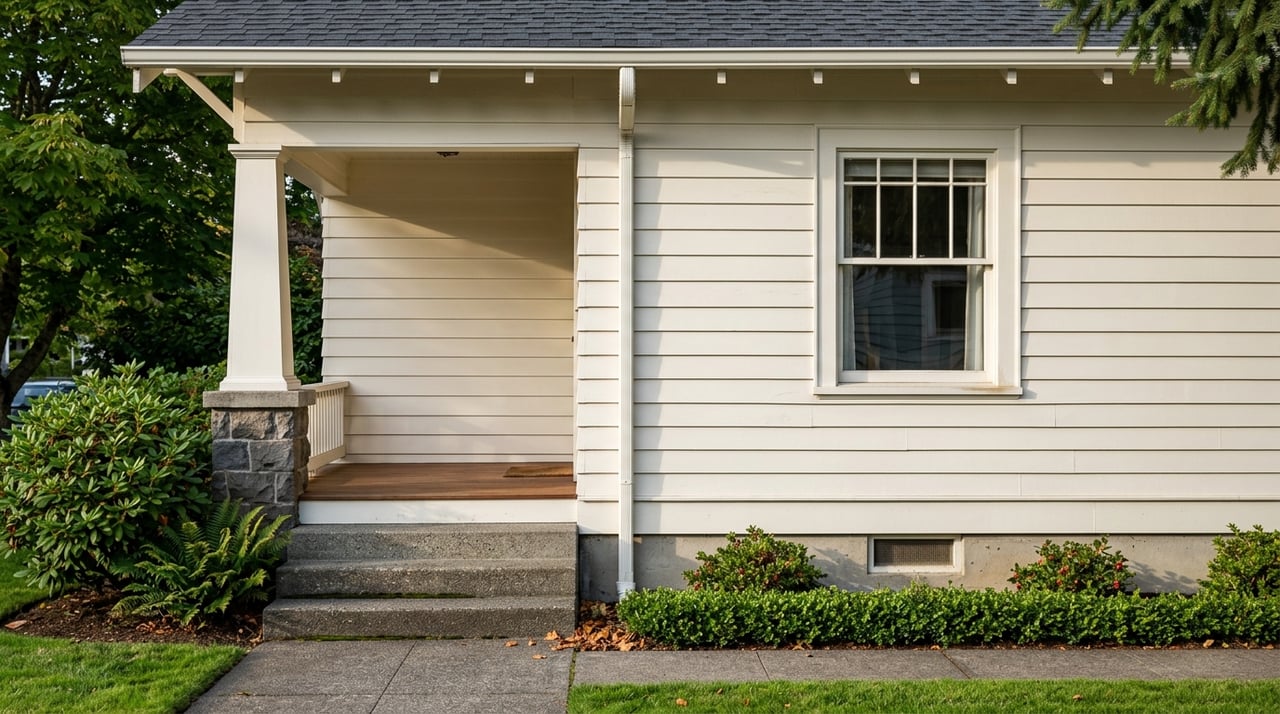
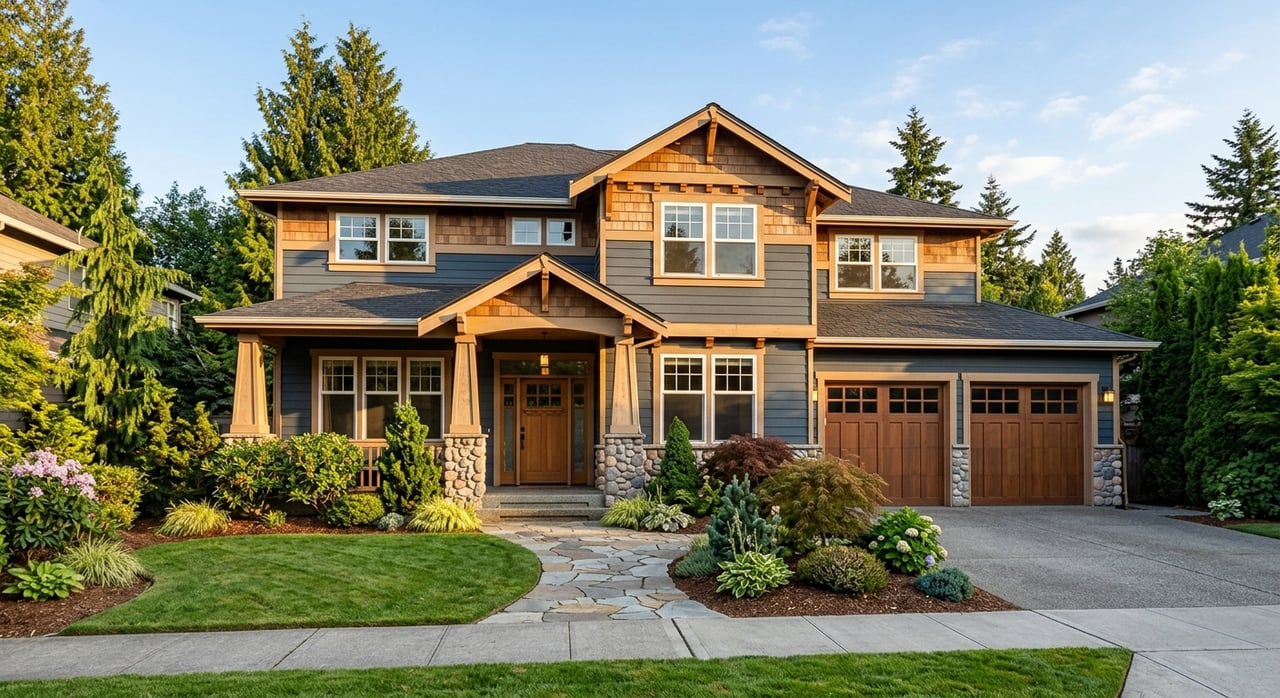
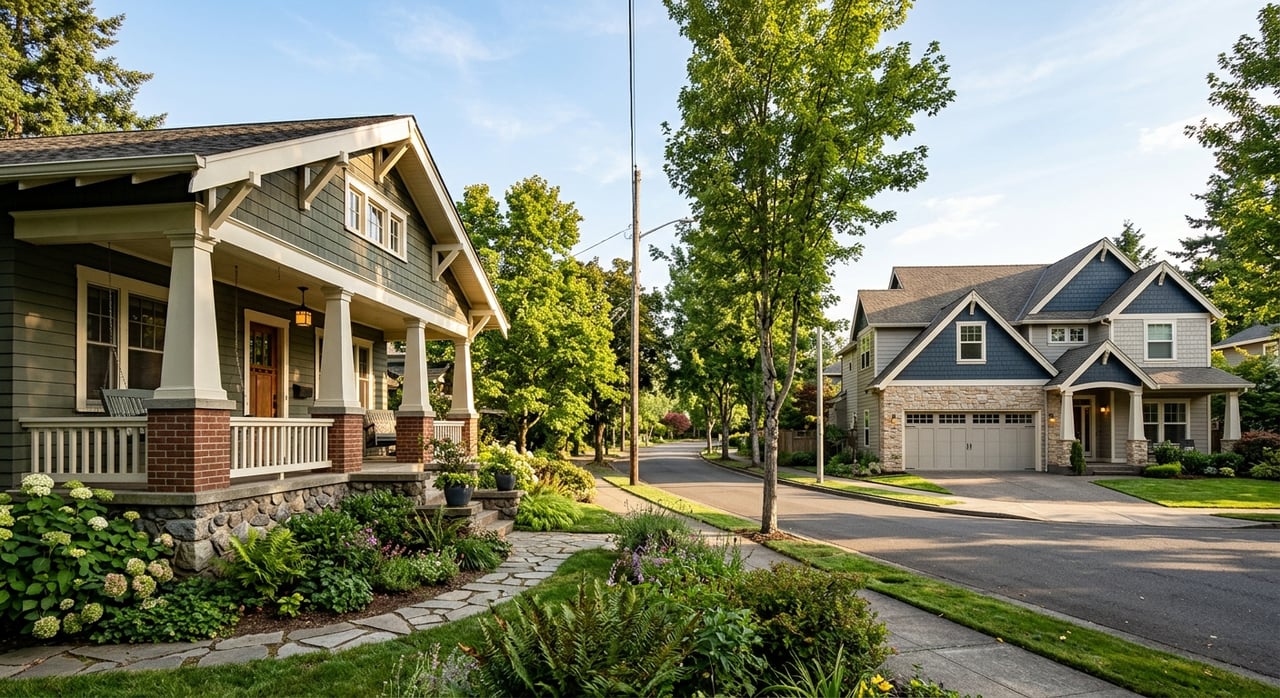
Corvallis housing is not all one type, and that is important if you are trying to match a home search to your lifestyle. The city says Corvallis has long had a mix of single-family, duplex, and multifamily housing, and residential zones now allow middle housing types like duplexes, triplexes, fourplexes, cottage clusters, and townhomes.
Downtown mixed-use zones also allow residential uses above or alongside commercial space. That creates a wider range of living options, from more traditional neighborhoods to homes and apartments closer to the central city.
What the housing picture suggests
The city reports about 26,330 housing units, with a large share nearing the 40-year mark. That points to a housing stock with a meaningful number of older homes, renovation potential, and a mix of established properties and newer development.
Census data adds more context. Corvallis has an owner-occupied rate of 41.7%, a median owner-occupied home value of $502,900, and a median gross rent of $1,391. Those are not current listing prices, but they do show a market with both a substantial rental presence and a significant owner-occupied base.
The city’s rental housing program, which includes registration requirements, tenant resources, fair housing education, and trend tracking, also signals an active local role in the rental market. If you are weighing buying versus renting, that is part of the broader housing environment to keep in mind.
What Corvallis Feels Like Day to Day
The best way to sum up Corvallis is that it blends a compact city core with easy outdoor access. Downtown and the riverfront give you walkability, public events, and a steady sense of activity, while the parks and surrounding natural areas make it easy to add trails, river views, and open space to your normal routine.
That balance is what stands out. Corvallis has the energy that comes with a major university, but it also has civic structure, public spaces, and housing variety that support daily life well beyond campus.
If you are considering a move here, the real question is not whether there is enough to do. It is whether this mix of downtown convenience, riverfront activity, and outdoor access fits the way you want to live.
If you want help exploring homes, acreage, or investment opportunities in Corvallis and the surrounding Willamette Valley, Wildland Property Group is here to help with local insight and hands-on guidance.
FAQs
How walkable is everyday life in Corvallis?
- Everyday life is quite walkable in the downtown and central core, with fareless transit, bike and walk maps, Active Travel Corridors, and a compact layout around downtown and the riverfront.
What makes downtown Corvallis a daily hub?
- Downtown Corvallis has more than 150 businesses, hosts dozens of events each year, includes mixed-use development, and connects closely with the riverfront, transit, and the farmers’ market.
How important is the Corvallis riverfront to local life?
- Riverfront Commemorative Park is a major public gathering space with plazas, paths, a seasonal fountain, a skate park, dog area, and regular community events along the Willamette River.
How does Oregon State University shape life in Corvallis?
- Oregon State University has a major influence on housing demand, dining, foot traffic, and city activity, but downtown businesses, civic spaces, and parks help give Corvallis a broader identity beyond campus.
What kinds of homes can you find in Corvallis?
- Corvallis has a mix of single-family homes, duplexes, multifamily housing, townhomes, middle housing types, and some downtown mixed-use residential options.
What is there to do beyond downtown Corvallis?
- Beyond downtown, everyday life extends into city parks, the McDonald-Dunn Research Forest, Marys Peak, and the Corvallis-to-the-Sea Trail, all of which support hiking, biking, and outdoor recreation.