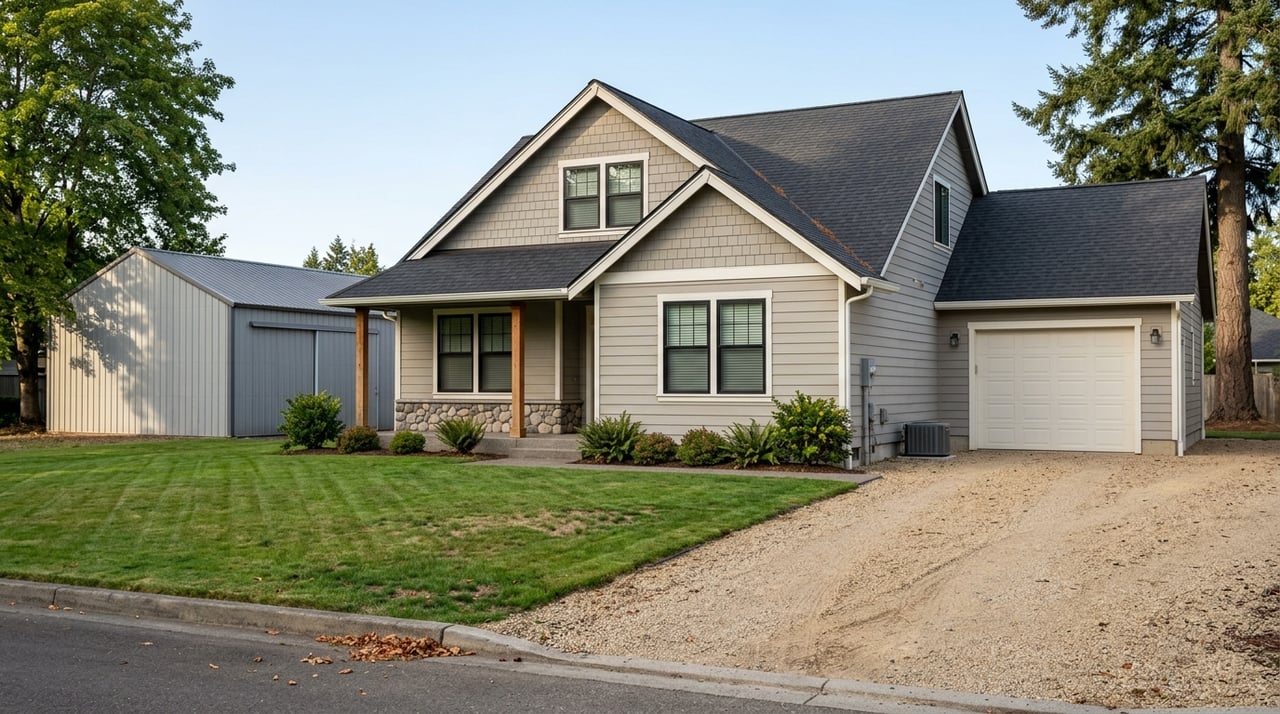
Wondering whether your next Lebanon-area property should be a compact in-town lot or a few usable acres with room to spread out? You are not alone. Many buyers in and around Lebanon want more flexibility, more function, or a little more elbow room, but the right fit depends on how you want to live day to day. This guide will help you compare in-town lots, edge-of-town acreage, and hobby farm properties around Lebanon so you can search with more clarity and confidence. Let’s dive in.
Lebanon property types at a glance
Around Lebanon, buyers usually see three broad categories of property: in-town residential lots, rural residential acreage, and more farm-oriented parcels in the county. Each one comes with a different mix of zoning, utility setup, upkeep, and long-term potential.
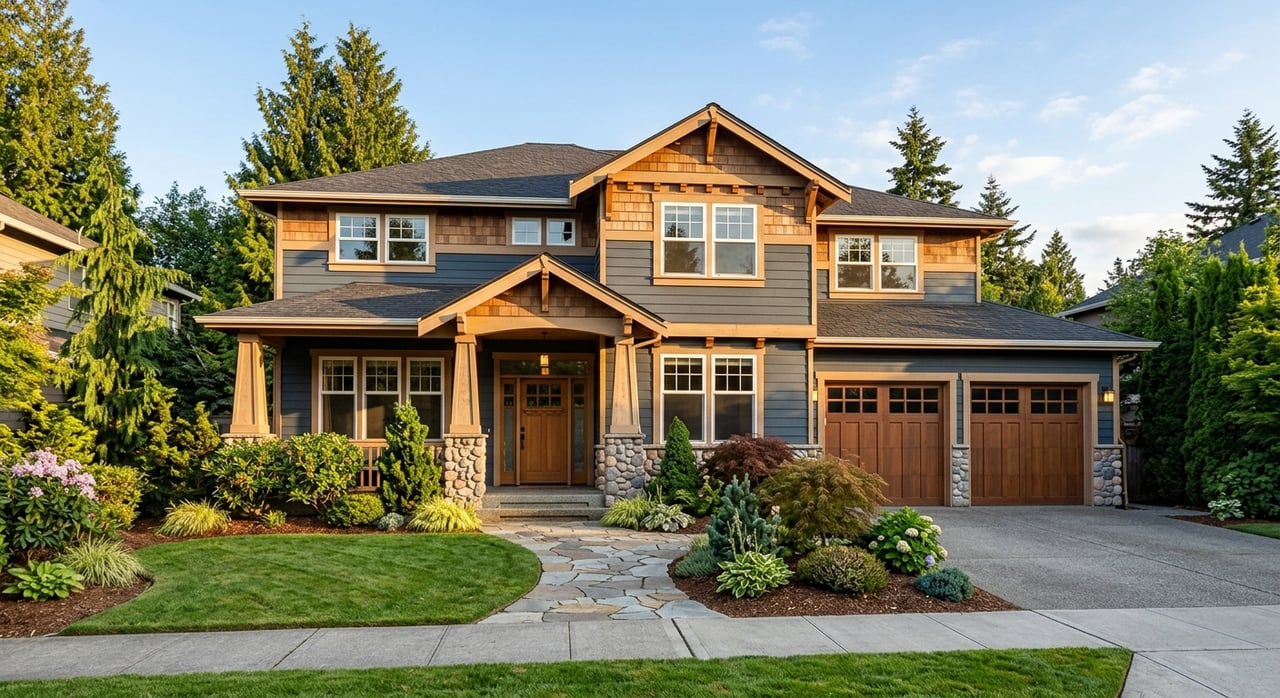
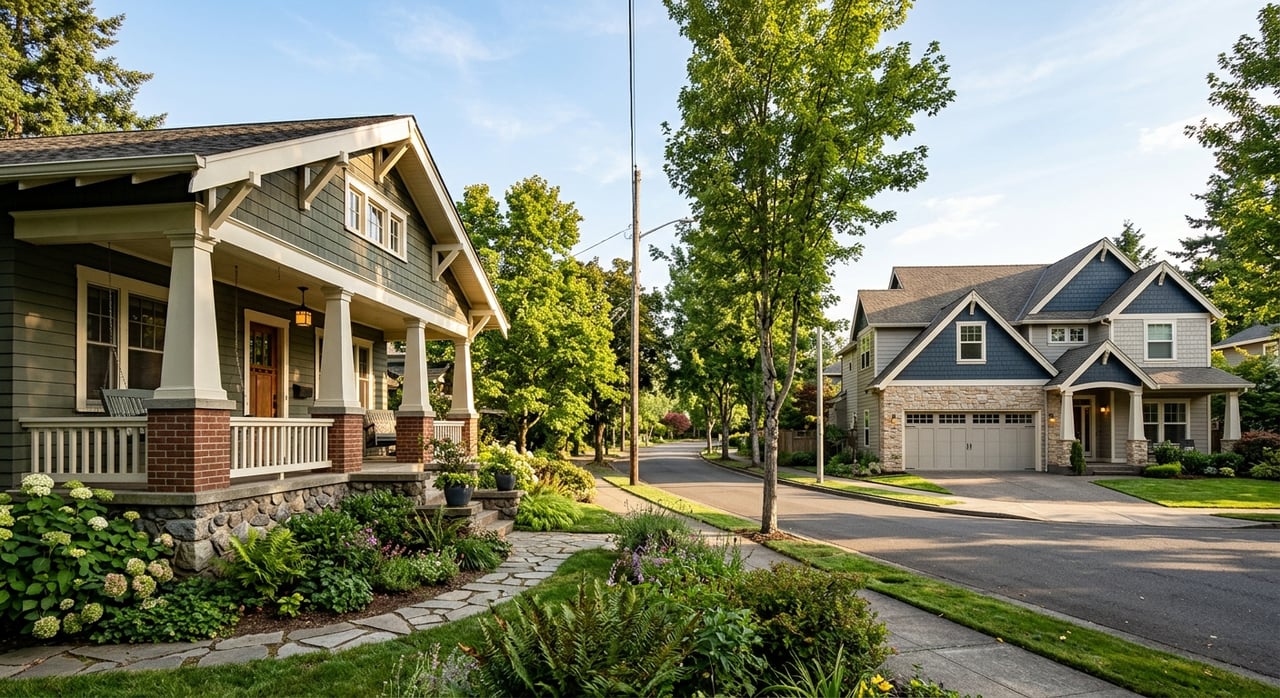
Inside Lebanon city limits, residential land can fall into low-, mixed-, or high-density zones. That creates a range of options, from traditional neighborhood lots to sites closer to downtown that may support denser housing patterns.
Outside the city, Linn County uses several rural residential districts, including RR-1, RR-2.5, RR-5, and RR-10. Those categories help shape how much land you may need and how rural the setting feels.
For buyers looking at land with a more active agricultural use, some county parcels fall into rural development areas that allow farm-related uses. That is why a “hobby farm” search around Lebanon can mean very different things depending on the parcel and the zoning behind it.
In-town lots offer more flexibility than many buyers expect
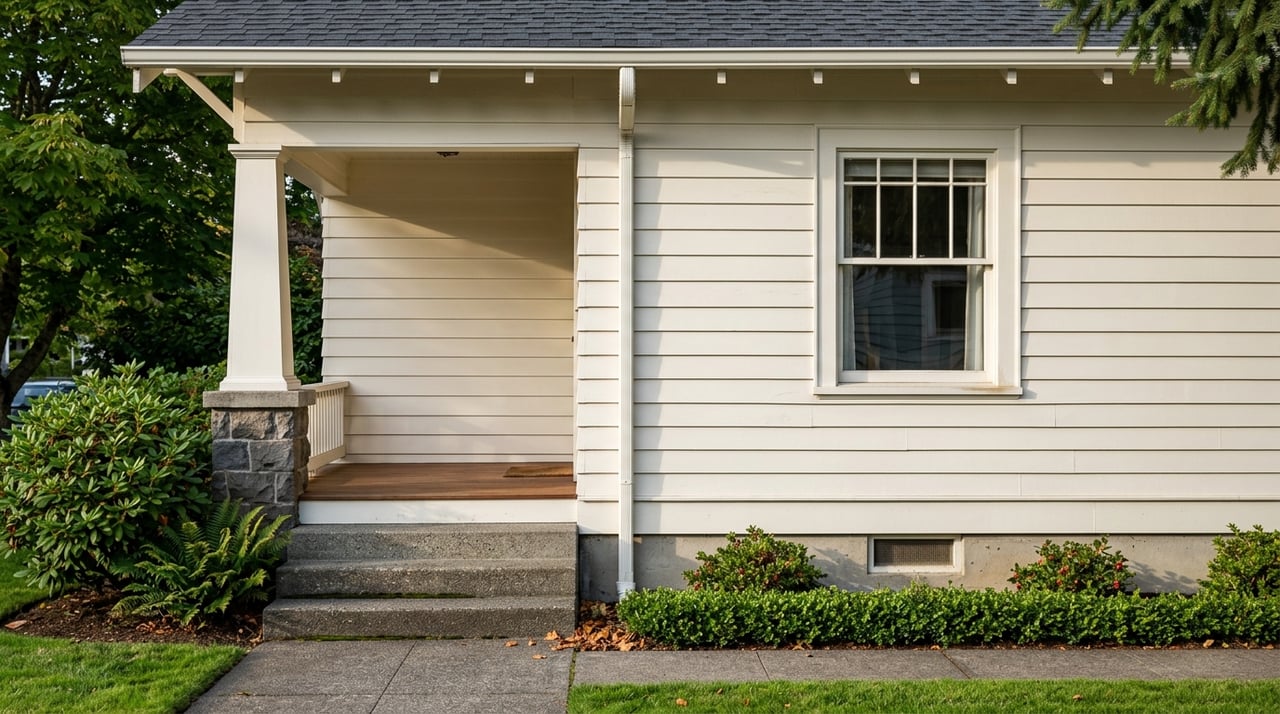
If you picture an in-town lot as just a house and a small yard, Lebanon may surprise you. The city allows accessory dwelling units in residential zones, and those ADUs can share the main home’s water and sewer connections while being exempt from minimum lot-size standards.
That can make smaller lots more useful for multigenerational living, a guest space, or a detached cottage, as long as the design meets local setback and size rules. Detached ADUs are capped at 1,000 square feet or 40 percent of the primary home, whichever is smaller.
Lebanon also allows a wide range of accessory structures in residential zones. Depending on the site and code standards, a property may support features such as a private garage, shop, barn, kennel, gazebo, or solar and wind energy systems.
That matters if you want function without going fully rural. In some cases, an in-town property can give you the workshop, storage, or extra living space you need while keeping municipal services and a shorter drive to daily errands.
Rural residential acreage changes the equation
Once you move outside city limits, the search becomes less about lot size alone and more about systems, access, and zoning details. Linn County’s rural residential districts can feel very different from one another, even when listings all look like “acreage” at first glance.
For example, Linn County describes RR-5 as a district commonly used near an urban growth boundary or urban influence area. For some buyers, that makes it a practical middle ground between town living and full rural isolation.
RR-10 is a lower-density option often used where groundwater limitations, septic suitability, road access, lack of fire protection, steep slopes, or natural features support larger homesites. In plain terms, a larger parcel is not always just about privacy. Sometimes it reflects real physical limits on what the land can support.
This is one reason two properties with similar acre counts can have very different value and usability. A parcel near town with manageable infrastructure needs may fit a lifestyle buyer very differently than a more remote homesite with greater setup and maintenance demands.
What makes a hobby farm different
A hobby farm is not simply a house with more land. It is a property where your goals, the land’s physical features, and the property systems all need to work together.
Oregon State University Extension advises buyers to match their goals, resources, and skills to the property. Soil type, slope, irrigation access, road access, labor needs, and market access all affect what is realistic on small acreage.
That means your ideal setup depends on what you actually want to do there. A few garden beds, some storage, and open space create a very different property search than pasture use, growing crops, or operating a more serious small farm.
Water is a key example. OSU notes that water rights are separate from land ownership, though they transfer with the property when present. It also notes that domestic wells generally should not be used to irrigate a commercial crop.
If you are shopping for a hobby farm around Lebanon, it helps to think beyond the listing description. The land needs to support your intended use, not just look appealing from the road.
Utilities are a major dividing line
One of the biggest differences between in-town lots and rural property is utility setup. Inside city limits, Lebanon provides municipal water and wastewater service, which usually means fewer unknowns for buyers.
That does not mean every property is identical, but it often reduces the number of moving parts compared with rural land. For many buyers, that simplicity is a major advantage.
Rural properties can be more complex. If a home relies on a private well, Oregon agencies place responsibility for water safety on the owner, not the state or county.
Oregon Health Authority recommends annual testing for private wells, while DEQ recommends testing every one to two years. That is an important shift in mindset if you are moving from city utilities to rural infrastructure.
Septic systems also need ongoing care. DEQ says a properly sized septic tank typically has enough capacity for about three to eight years before pumping is needed, depending on household size and use.
Routine inspection and smart maintenance matter. DEQ also warns against parking, driving, or allowing animals on drainfields and notes that deep-rooted plants near the system can create issues.
Access matters more than many buyers realize
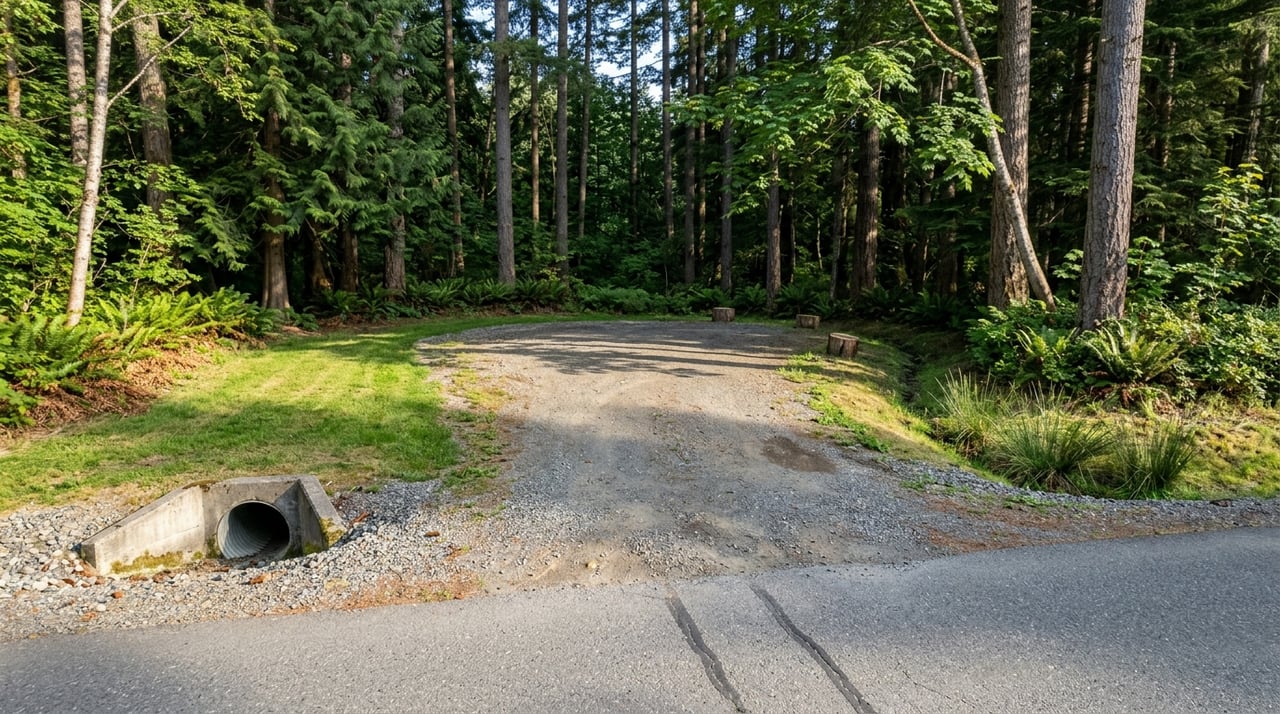
A Lebanon-area acreage can look perfect online and still have a major issue if access is unclear. In rural property searches, legal and physical access should never be treated as a small detail.
Linn County requires functional road access to a public road or a recorded easement. The standards also become more demanding as more homesites are served by a road or driveway.
That means access is not just about whether a driveway exists today. You also want to know whether the legal right to use it is properly documented and whether improvements may be needed.
For some buyers, access questions can affect cost just as much as the home or land itself. A property with easy, documented access may be a smoother fit than one that needs easement review, driveway work, or additional planning.
Lebanon lets you balance space and convenience
One reason buyers are drawn to Lebanon is that you do not always have to choose between breathing room and connection. The city notes that Interstate 5 is about eight miles away, with Highway 34 and U.S. Highway 20 providing regional access, plus local transit options in town.
That can open up a wider range of property choices. You may be able to move farther out for more land while keeping a workable commute for everyday life.
Still, it helps to compare the full routine, not just the map. Drive time, driveway maintenance, utility setup, and property upkeep all shape how a place feels once you actually live there.
A smart Lebanon-area property checklist
Before you get too attached to a property, it helps to slow down and confirm the basics. Around Lebanon, a few early questions can save you time and help you narrow the right type of search.
Confirm city or county location
Start by verifying whether the property is inside Lebanon city limits or in unincorporated Linn County. That boundary affects which rules apply and often changes how you should think about the property.
A parcel inside the city may be best viewed as an in-town lot with utility advantages and accessory-use potential. A county parcel may be better suited for acreage living, depending on zoning and infrastructure.
Ask for the zoning first
Before assuming a parcel can support a shop, barn, second dwelling, or livestock use, ask for the exact zoning designation. In Linn County rural residential districts, one single-family or manufactured dwelling per authorized unit of land is allowed outright, along with limited farm use and certain accessory uses, but the specific zone still controls the details.
This step is especially important for buyers comparing edge-of-town acreage with true hobby farm property. Similar-looking listings can allow very different uses.
Review rural property documents
For rural homes or land, ask for the records that tell the real story of the property. That usually includes:
- Well logs
- Current water test results
- Septic records and pumping history
- Recorded access easements
These documents can help you understand both current condition and future maintenance needs. They are often just as important as the home itself.
Check tax status and assessment
If a property has farm or forest assessment status or other special tax treatment, make sure you understand that before closing. Linn County’s Assessor manages special-assessment programs for farm and forest property, and those classifications can affect both current taxes and long-term ownership expectations.
Compare lifestyle fit, not just acreage
A larger parcel is not always the better match. The right property is the one that fits your plans, comfort level, and willingness to manage the land over time.
If you want flexibility with less infrastructure to oversee, an in-town lot or edge-of-town homesite may be the better fit. If you want more room for projects, outbuildings, or agricultural use, a rural property may be worth the added complexity.
Choosing the right fit for your goals
The best Lebanon-area property is not always the biggest one or the closest one. It is the one that supports the way you actually want to live, work, and spend your time.
For some buyers, that means staying in town and taking advantage of Lebanon’s flexible residential rules for ADUs and accessory structures. For others, it means moving to the edge of town for a little more space without stepping into full farm-property complexity.
And for buyers chasing a true hobby farm lifestyle, success usually comes from asking better questions early. Zoning, water, septic, access, and land capability all matter as much as curb appeal.
If you want help sorting through the options, Wildland Property Group brings a practical, local perspective to Lebanon-area homes, land, and lifestyle properties.
FAQs
What is the difference between an in-town lot and rural acreage near Lebanon?
- An in-town lot is typically inside Lebanon city limits with access to municipal water and wastewater, while rural acreage is usually in unincorporated Linn County and may rely on a private well, septic system, and recorded access easements.
Can a Lebanon in-town property have an ADU or shop?
- In Lebanon residential zones, one ADU per lot is allowed subject to local size and setback standards, and accessory structures such as garages, shops, barns, kennels, gazebos, and some energy systems may also be allowed.
What should you check before buying a hobby farm around Lebanon?
- You should confirm zoning, review well logs and water testing, request septic records, verify access easements, and compare the land’s soil, slope, water setup, and intended use against your goals.
Do rural properties near Lebanon need private well testing?
- Oregon agencies say the well owner is responsible for water safety, and guidance recommends regular testing rather than treating testing as a one-time task.
Why does zoning matter for Lebanon-area acreage?
- Zoning affects what a parcel can support, including dwelling allowances, accessory uses, limited farm activity, and the overall fit for a homesite or hobby farm plan.