Thinking about selling your Salem home this spring? You are not alone, and that is good news. Spring brings more buyer activity, greener yards, and better light for photography, which can all help your sale. In this guide, you will get a Salem-smart plan that fits our rainy climate, clear steps for Oregon disclosures, and a simple 12-week checklist to hit the market ready. Let’s dive in.
Why spring works in Salem
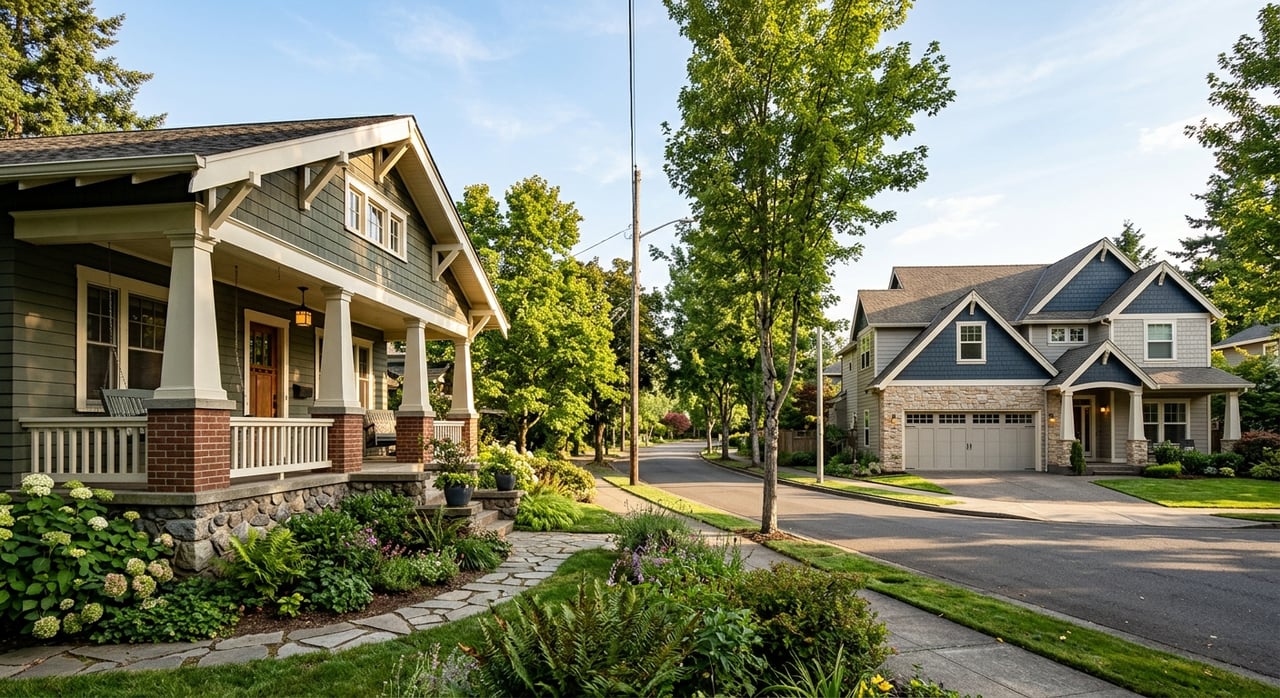
Spring is when listings tend to get more attention. More buyers are touring, yards look their best, and many households try to move before the next school year. You can lean into that momentum by planning early, pricing with confidence, and presenting a clean, well-cared-for home. The result is often faster showings and stronger first impressions.
Start 8–12 weeks out: your plan
Give yourself a runway. A little lead time lets you schedule repairs, cleaning, lawn care, staging, and photography without rushing. Use the timeline below as a baseline, and adjust to your target list date between March and May.
12+ weeks before listing
- Meet with a local agent for strategy and a comparative market analysis. This helps you choose a price band and target listing window.
- Consider a pre-listing inspection to spot surprises early. A seller-side inspection can surface safety or system issues so you choose what to fix and what to disclose. Learn more about seller inspections from industry standards at InterNACHI.
- Walk the exterior with moisture in mind. In Salem’s wet season, focus on gutters, downspouts, roof, siding, and grading. If your property is near waterways or low spots, review local hazard information and be ready to discuss flood status. Marion County hazard mapping from DOGAMI is a good starting point for context on local risks (DOGAMI Marion County report).
6–8 weeks before listing
- Tackle exterior cleaning and repairs. Have gutters professionally cleaned and verify downspouts extend away from the foundation. Typical gutter cleaning runs about 120 to 230 dollars per service according to HomeAdvisor.
- Address roof moss and algae. These thrive in cool, wet months. Follow roof-safe methods and consider hiring a pro. The OSU Extension guide for Western Oregon lawns and moss offers practical timing and treatment tips.
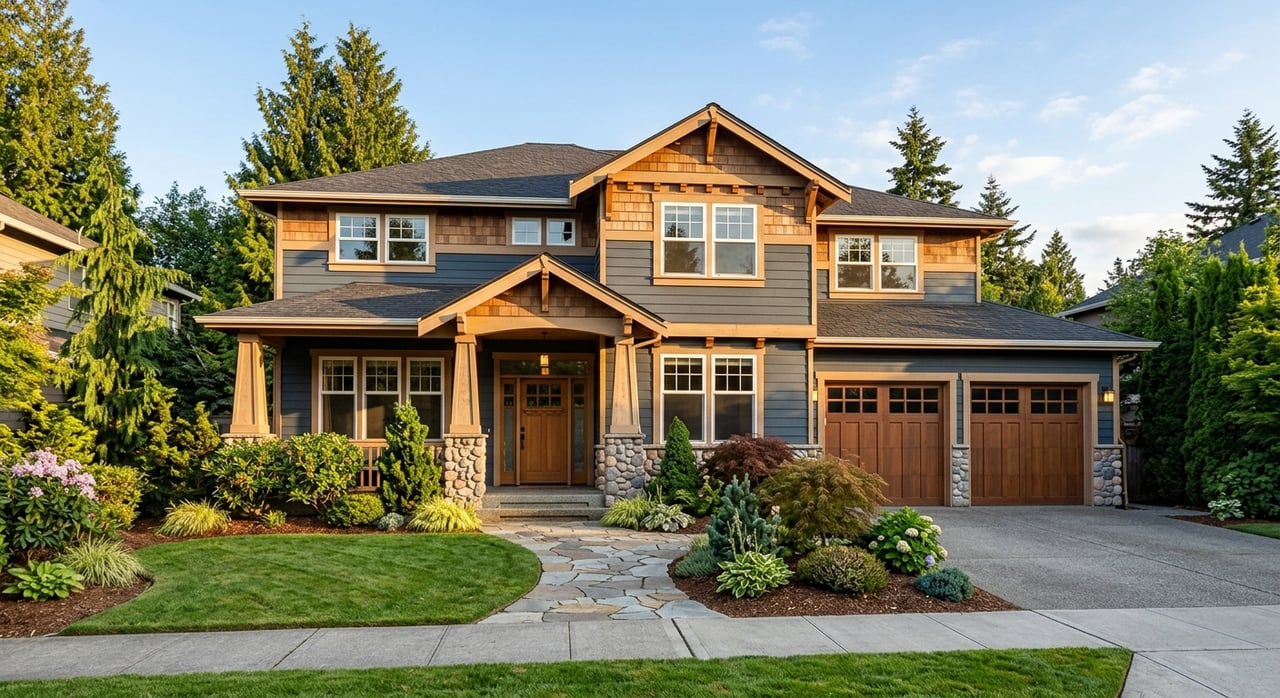
- Improve curb appeal with small, high-ROI fixes. National Cost vs Value research shows visible exterior upgrades like an updated front door or garage door, minor siding fixes, and a tidy entry can punch above their cost. Review current findings in the Zonda 2025 Cost vs Value Report.
2–3 weeks before listing
- Deep clean, declutter, and depersonalize. Clear countertops, edit closets, and remove bulky items to make rooms feel larger.
- Refresh paint in high-traffic rooms if needed. Use light, neutral colors. Interior painting costs vary by room size and scope. For ballpark budgets, see HomeAdvisor’s interior painting estimates.
- Stage key spaces and schedule photos. The National Association of Realtors reports that staging helps buyers visualize the property. Median professional staging cost is about 1,500 dollars and agent-led staging often costs less. See the latest takeaways from the NAR staging report.
Listing week
- Launch on a high-visibility day, often late week to capture weekend touring. Coordinate pro photos, a virtual tour, and your open house plan.
- Monitor feedback closely during the first two weeks. Most attention comes early, so stay flexible with showing times and respond quickly to questions.
What Salem buyers notice first
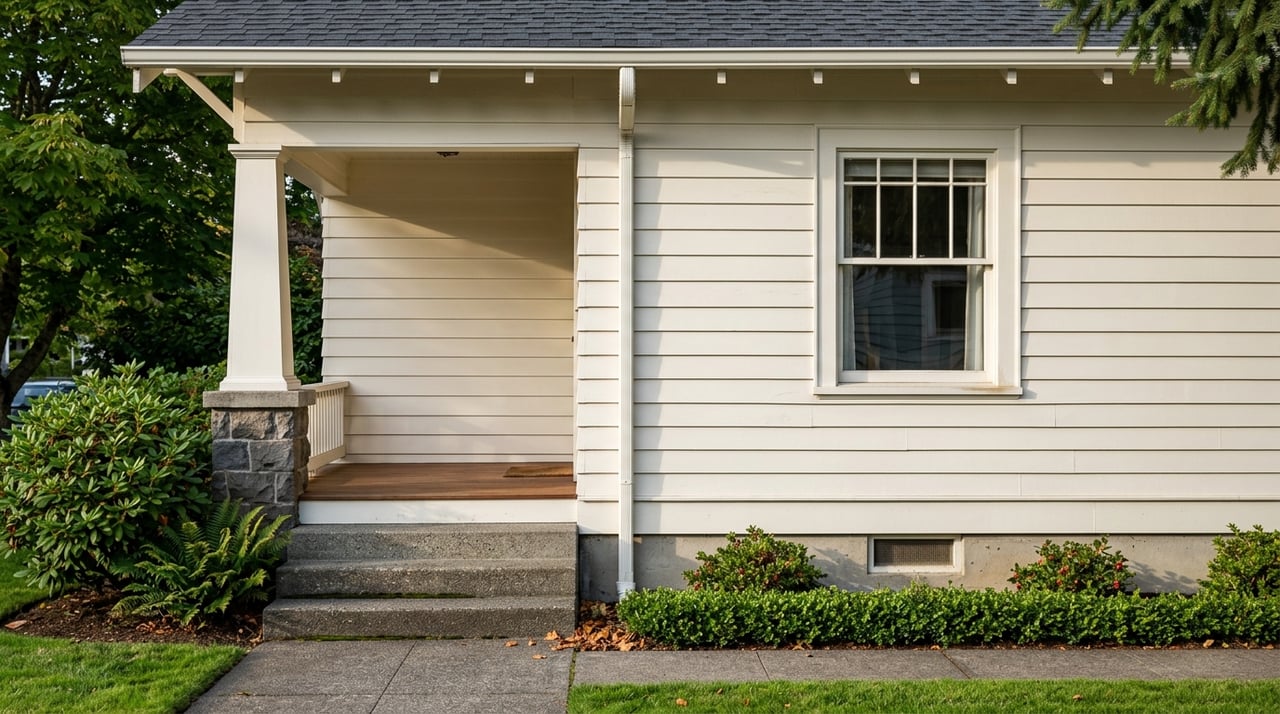
Curb appeal and durability in a rainy climate
Our wet season is long, and buyers look closely at how a home handles moisture. Focus on:
- Gutters and downspouts that are clean and routed away from the foundation. Mention recent service in your listing notes.
- Moss-free roof and clean siding. Use roof-safe moss treatments and avoid damaging pressure on shingles. When in doubt, hire a pro. The OSU Extension guidance is a helpful primer.
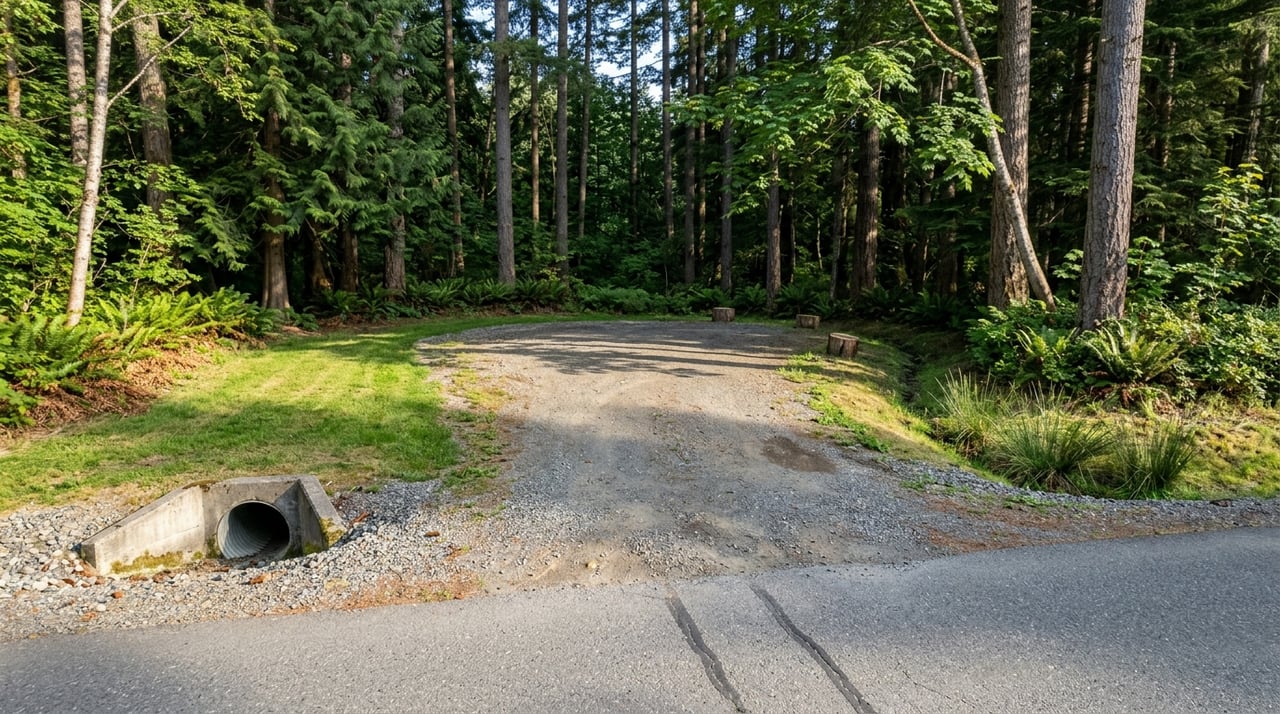
- Grading and drainage that shed water away from the house. Correct obvious pooling, extend downspouts, and note any improvements made.
- Fresh entry details. A clean door, new doormat, and pruned foundation plants frame the first impression.
Exterior improvements often deliver reliable value. National remodeling data point to better cost recovery on visible exterior upgrades compared to large interior remodels. For project ideas and cost-return context, review the Zonda 2025 Cost vs Value Report.
Inside: stage what matters most
Staging, lighting, and small repairs shape how your home feels online and in person. NAR’s recent findings show agents most often recommend decluttering and cleaning first. The living room, primary bedroom, and kitchen produce the biggest impact. According to the NAR staging report, staging can reduce time on market and help buyers better visualize the property.
Low-cost, high-impact steps:
- Declutter and depersonalize. Pack away extra decor, family photos, and non-essential furniture.
- Neutral paint touch-ups. Focus on scuffs and high-traffic areas. Use HomeAdvisor’s interior painting estimates to plan.
- Fix obvious defects. Repair loose railings, replace missing or cracked outlet covers, re-caulk tubs and showers, and confirm GFCIs work.
- Brighten and balance. Replace dim bulbs, open blinds, and use warm, even lighting to make rooms feel more open.
Photography and online presentation
Most buyers first meet your home on a screen. Invest in an experienced real estate photographer and request a simple floor plan or virtual tour if available. Stage before photos, shoot in bright daylight, and highlight outdoor spaces that look especially fresh in spring. Pair photos with a clean, benefit-focused description.
Disclosures and inspections in Oregon
Oregon requires a Seller’s Property Disclosure Statement for most residential sales. Work with your agent to complete the form in the format set by state law. Read ORS 105.464 for the required content and buyer rights tied to delivery of that form (ORS 105.464).
Oregon also requires that radon information be made available to potential buyers. See ORS 105.848 for the statute and state guidance (ORS 105.848). If you have questions on how any law applies to your situation, talk with your agent and consider consulting an attorney.
A pre-listing inspection can be a helpful tool in Oregon. It may reduce surprises, allow you to fix items on your timeline, and provide a report for buyers. Review common benefits and caveats from InterNACHI’s seller inspection overview. Remember that if you become aware of a defect, you must disclose it.
For homes near waterways or low areas, be ready to explain any flood mitigation you have completed. Local hazard mapping from DOGAMI offers a clear overview of multi-hazard risk in Marion County (DOGAMI Marion County report). Your agent can help you confirm FEMA map status and prepare supporting notes for buyers.
Pricing, launch timing, and momentum
The first two weeks on market matter. Price correctly from day one to capture early buyer attention and avoid unnecessary price cuts. Coordinate timing so your listing goes live with polished photos, a clear showing plan, and strong copy. Many agents list near Thursday to maximize weekend activity. Pair that timing with clean staging, a bright front entry, and flexible showing windows.
Quick Salem spring-ready checklist
Use this as a working list you can print and check off.
Exterior and curb appeal
- Clean gutters and extend downspouts away from the foundation. Note recent service in your listing.
- Remove roof moss and treat as needed using roof-safe methods. Consider a professional service.
- Power wash siding and paths where appropriate, and refresh the front door area.
- Correct obvious drainage issues and regrade small low spots if needed.
- Touch up exterior paint on trim and railings.
Interior prep
- Declutter, deep clean, and depersonalize.
- Paint high-traffic rooms in a light, neutral color if needed.
- Repair loose handrails, squeaky doors, missing outlet covers, and failed caulk.
- Stage the living room, primary bedroom, and kitchen.
Marketing and launch
- Hire a professional real estate photographer and plan for bright daylight.
- Prepare a simple features list that highlights improvements and maintenance.
- Coordinate your listing day, open house schedule, and showing plan with your agent.
Compliance and confidence
- Complete Oregon’s Seller’s Property Disclosure Statement with your agent (ORS 105.464).
- Share required radon information with buyers (ORS 105.848).
- Discuss a pre-listing inspection and how to handle the results (InterNACHI overview).
- If near waterways or low areas, review local hazard mapping and be ready to discuss flood status (DOGAMI Marion County report).
Ready to list this spring?
You do not need a gut remodel to win the spring market in Salem. You need the right plan, the right price, and a clean, well-presented home that shows buyers you have cared for it through our wet season. If you want a local, hands-on team that treats you like family and pairs polished MLS marketing with regional reach, we are here to help. Start the conversation with Wildland Property Group and let’s map out your spring sale.
FAQs
When is the best month to list a home in Salem?
- Spring often delivers more buyer activity and fresher curb appeal, especially late April into May. Your best window depends on your price range, inventory near you, and how quickly you can complete prep. Give yourself 8 to 12 weeks to get ready.
How much should I budget for pre-listing prep in Salem?
- Budgets vary by home. National ballparks include about 120 to 230 dollars for a gutter cleaning visit (HomeAdvisor), variable paint costs by room size (interior paint estimates), and a median of roughly 1,500 dollars for professional staging, with agent-led staging often costing less (NAR staging report).
Do I need to remove moss from my roof before listing in Salem?
- Yes, address visible moss and algae. It signals moisture issues to buyers. Follow roof-safe methods and consider a professional. The OSU Extension guide explains region-appropriate timing and treatment.
What disclosures do Oregon home sellers need to provide?
- Most sellers must complete Oregon’s Seller’s Property Disclosure Statement per ORS 105.464, and make radon information available under ORS 105.848. Work with your agent, and consult an attorney with legal questions.
Is a pre-listing inspection worth it in Oregon?
- It can be. A seller inspection can reveal issues early, guide repairs, and streamline negotiations, though you still must disclose known defects. See InterNACHI’s overview for common benefits.
How do I address flood or drainage concerns for a Salem home?
- Confirm your FEMA map status and document any drainage improvements. Use local resources like the DOGAMI Marion County hazard report for context, then work with your agent to communicate clearly with buyers.