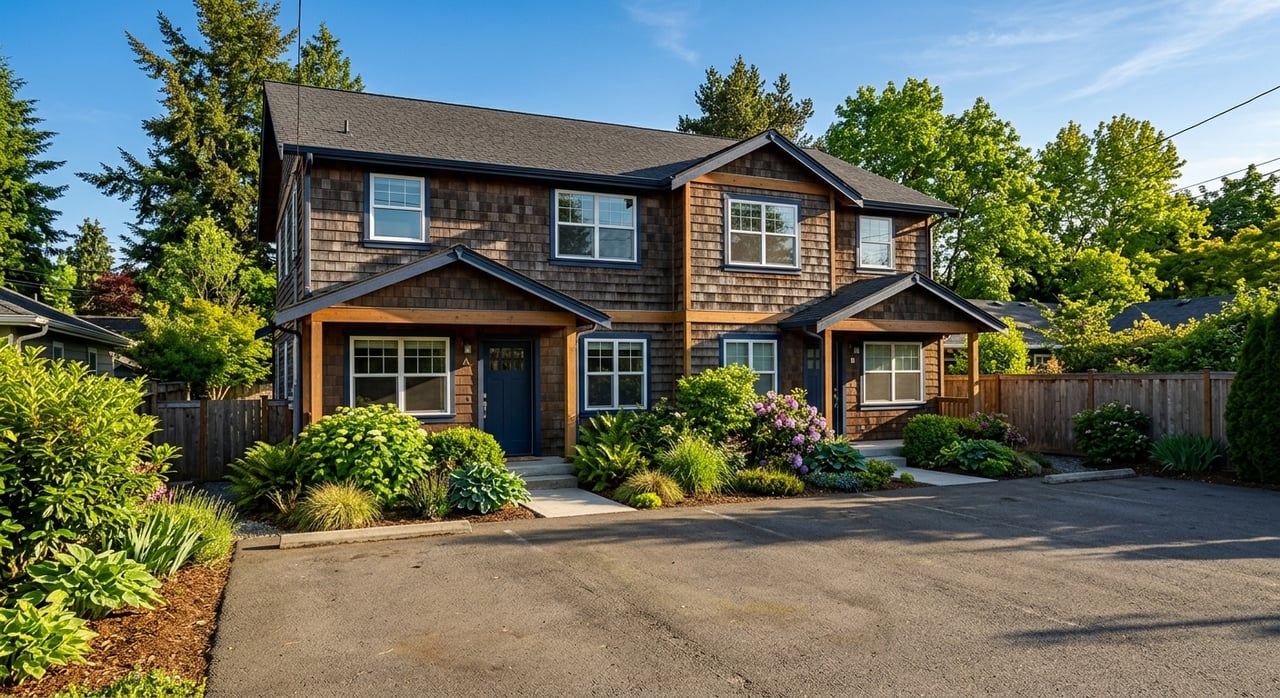
If you are thinking about buying a rental in Albany, it is easy to get distracted by fresh paint, trendy finishes, or a low list price. But in a market with tight housing supply and older homes, the better question is simpler: will this property lease well, hold up over time, and make sense on paper? If you want a rental that fits Albany’s real market, this guide will help you focus on layout, condition, location, and numbers so you can buy with more confidence. Let’s dive in.
Start With Albany Market Basics
Albany is a mid-size Willamette Valley city with about 57,997 residents, and the local housing picture is tight. City data shows that 39% of occupied homes are renter-occupied, with a 5.4% rental vacancy rate, while the city also notes that rental housing is limited and in high demand. New supply has also been relatively slow, averaging about 300 permitted units per year since 2000, with only about 20% of those units classified as multifamily, according to City of Albany demographic data.
That matters because a rental purchase in Albany is not just about buying any house and hoping it works. You want a property that fits the kind of housing local renters already use, need, and can afford. In a tighter market like this, small differences in layout, upkeep, and convenience can have a big effect on rentability.
Focus On Practical Floor Plans
Albany’s housing stock sits mostly in the middle of the market. City housing data shows that about 10% of units are studios or one-bedrooms, nearly 74% are two- or three-bedroom units, and 17% have four or more bedrooms, based on Albany housing analysis materials.
For you as a buyer, that points to a clear takeaway: functional 2-bedroom and 3-bedroom layouts deserve extra attention. They line up more closely with the city’s existing unit mix and likely sit closer to core demand than a property with a quirky or hard-to-use floor plan.
Look Beyond Square Footage
A rental does not need to be huge to lease well. It needs to work.
When you walk a property, pay attention to:
- Bedroom size and privacy
- Closet space
- Laundry placement
- Storage options
- Whether the living area feels usable
- Whether roommates could share the home comfortably
- Whether the layout feels natural for day-to-day living
A strange bonus room, a bedroom off the kitchen, or a cramped common area can make a home harder to market, even if the total square footage looks fine on paper.
Watch Condition Closely In Older Homes
Albany has a lot of older housing. The city says 52% of housing units were built before 1980, and renter-occupied housing is older on average than owner-occupied housing. The city also flags rehabilitation needs in many homes, including plumbing, kitchens, roofs, siding, foundations, heating, and electrical systems in its housing and consolidated planning materials.
That means your best rental prospect may not be the prettiest house on day one. It may be the one with a solid structure, a workable layout, and deferred maintenance you can clearly identify and budget for.
Know The Difference Between Cosmetic And Expensive
New flooring and paint are one thing. A failing roof, old electrical service, or foundation problems are something else entirely.
Before you buy, try to separate repairs into two buckets:
- Cosmetic updates: paint, flooring, fixtures, cabinet hardware, minor landscaping
- System or structural issues: roof, plumbing, heating, siding, electrical, foundation, major water damage
That distinction matters because Albany’s numbers do not suggest easy cash flow. If you underestimate rehab costs, the deal can get tight very quickly.
Check Permit History
When a property has had additions, remodels, garage conversions, or other changes, permit history matters. Albany offers a permits map that allows buyers to inspect permit summaries by tax lot through the city’s planning resources referenced in its housing workshop materials.
This is a useful step if you want to confirm whether past work appears to have been documented. It can also help you understand whether the current layout matches the property’s recorded history.
Ask About Lead Paint In Older Properties
If you are looking at homes built before 1978, lead-based paint should be part of your due diligence. The EPA says most housing built before 1978 is covered by federal lead-based paint disclosure rules, and it notes that 87% of homes built before 1940 and 24% of homes built from 1960 to 1978 contain some lead-based paint, according to the EPA lead-based paint disclosure rule overview.
That does not automatically make an older Albany home a bad rental. It does mean you should ask informed questions and make sure the inspection conversation covers the age of the home and any known hazards.
Choose Location For Rentability
A good Albany rental is not only about the house itself. It is also about how the location fits everyday life for future tenants.
The city identifies a diverse employer base that includes Samaritan Health Services, ATI, Greater Albany Public Schools, Linn-Benton Community College, Linn County, Target Distribution Center, Selmet, Mennonite Village, OFD Foods, and the City of Albany. Oregon State University in nearby Corvallis is about 10 miles away, according to City of Albany community demographics.
That mix supports demand tied to healthcare, education, manufacturing, logistics, and Corvallis-related commuting. For you, that means access, convenience, and daily usability can matter just as much as the house count on a street.
Look For Everyday Convenience
As you compare properties, think about practical tenant appeal:
- Commute convenience to major employers
- Access to Albany and Corvallis connections
- Nearby parks, trails, and open space
- Proximity to downtown services and amenities
- Ease of moving in and out
Albany has more than 887 acres of parkland, trails, and open space, and the city describes downtown as a civic, commercial, and social center with ongoing waterfront access improvements. The fareless Linn-Benton Loop between Albany and Corvallis also adds another layer of transportation convenience for some renters.
Do Not Ignore Parking
Parking is one of those details that can look minor until it becomes the reason a tenant passes on your property. Albany repealed parking requirements citywide effective July 1, 2023, and the city notes separate planning around downtown parking and an off-street parking district, as outlined in its middle housing guidance.
In other words, a property may be legal with little or no parking. But legal and marketable are not always the same thing.
Think About Real Use, Not Just Rules
If you are buying a downtown property, a duplex, or an infill home, ask practical questions:
- Where will tenants actually park?
- Is off-street parking available?
- Is there room for multiple vehicles?
- Does the site layout make daily use easy?
- Will guests have reasonable parking options?
Albany also allows middle housing types, and the city says no parking is required for single-dwelling or middle-housing units under current rules. For a house-hack or small investment property, that makes usable site layout and tenant convenience especially important.
Run A Conservative Cash-Flow Screen
This is where many buyers need a reality check. Public benchmarks suggest Albany is not a market where you should assume easy cash flow from day one.
Using current public medians, rough gross annual rent divided by sale price works out to about 3.9% using Realtor.com’s median sale price and about 4.3% using Zillow’s typical home value, before expenses and financing, based on Albany market data from Realtor.com and Albany home value data from Zillow.
That does not mean rentals cannot work here. It means disciplined underwriting matters.
Use Rent Ranges, Not A Single Number
Public rent estimates vary by source and unit type. Zumper’s March 2026 medians for Albany are roughly:
- Studio: $1,269
- 1 bedroom: $1,413
- 2 bedroom: $1,674
- 3 bedroom: $2,358
- 4+ bedroom: $2,820
The research also notes similar mid-market positioning from Rentometer, with 2-bedroom apartment medians around $1,605 and 3-bedroom house medians around $2,395, as summarized in City of Albany demographic and community context.
Treat these as illustrative ranges, not guarantees. Actual rent will vary based on location, condition, parking, updates, and amenities.
Build Expenses In Early
A simple underwriting screen should start with gross rent versus purchase price, then account for:
- Property taxes
- Insurance
- Vacancy
- Repairs and maintenance
- Capital expenditures
- Utilities paid by the landlord
- Property management, if applicable
Albany’s permanent city tax rate is $6.3984 per $1,000 of assessed value, so your tax estimate should be based on assessed value, not just the asking price, according to City of Albany budget and demographics information.
If the deal only works when every estimate is optimistic, it probably needs a second look.
Best Property Types To Consider
Based on Albany’s supply mix and current pricing environment, a few property profiles stand out as especially worth watching.
Functional 2BR And 3BR Homes
These fit the market’s core housing mix and are often easier to understand from a rent-comp perspective. If the layout is clean and the maintenance picture is manageable, they can offer a more straightforward path to stable leasing.
House-Hack Friendly Properties
A duplex, middle-housing property, or home with a practical shared layout may be worth a closer look if you plan to occupy part of the property. In a market where margins can be tighter, house-hacking can improve the overall math while keeping you close to the asset.
Value-Add Opportunities With Clear Scope
Older homes with dated finishes can make sense when the heavy systems are in decent shape and the renovation scope is clear. The key is to avoid projects where the hidden costs could overwhelm your budget.
Red Flags To Take Seriously
As you sort through Albany investment options, be careful around properties with:
- Unusual or awkward layouts
- Heavy deferred maintenance with unclear cost
- Questionable remodels or additions
- Little parking in areas where tenants are likely to need cars
- Rent assumptions that depend on best-case pricing
- Asking prices that leave no margin for repairs or vacancy
A good rental property does not have to be perfect. But it should be understandable, supportable, and aligned with local demand.
Buy For The Market You Have
The best Albany rental properties are usually not the flashiest ones. They are the homes with practical layouts, manageable condition, useful locations, and numbers that still make sense when you underwrite conservatively.
If you are weighing a rental purchase in Albany, it helps to have local guidance that looks beyond surface-level features and into how a property really functions as an investment. The team at Wildland Property Group can help you evaluate opportunities in the Willamette Valley with a practical, relationship-driven approach.
FAQs
What should you look for in an Albany rental property layout?
- Look for a floor plan that leases cleanly, especially functional 2-bedroom or 3-bedroom layouts with good bedroom privacy, usable common areas, closet space, and practical laundry placement.
Why does home age matter when buying an Albany rental property?
- Albany has a large share of older housing, and city materials note common repair issues like roofs, plumbing, heating, siding, foundations, kitchens, and electrical systems, so age can directly affect your repair budget.
How important is parking for an Albany rental property?
- Parking still matters even though Albany no longer requires it citywide for many housing types, because tenant convenience and day-to-day usability can affect how easily a property leases.
What rent should you expect from an Albany rental property?
- Public estimates suggest Albany rents vary by unit type and condition, with March 2026 Zumper medians ranging from about $1,269 for studios to about $2,820 for 4+ bedroom units.
Is Albany a good market for easy rental cash flow?
- Public benchmarks suggest you should not assume easy cash flow, so it is smart to use conservative underwriting and pay close attention to repairs, taxes, insurance, vacancy, and other operating costs.