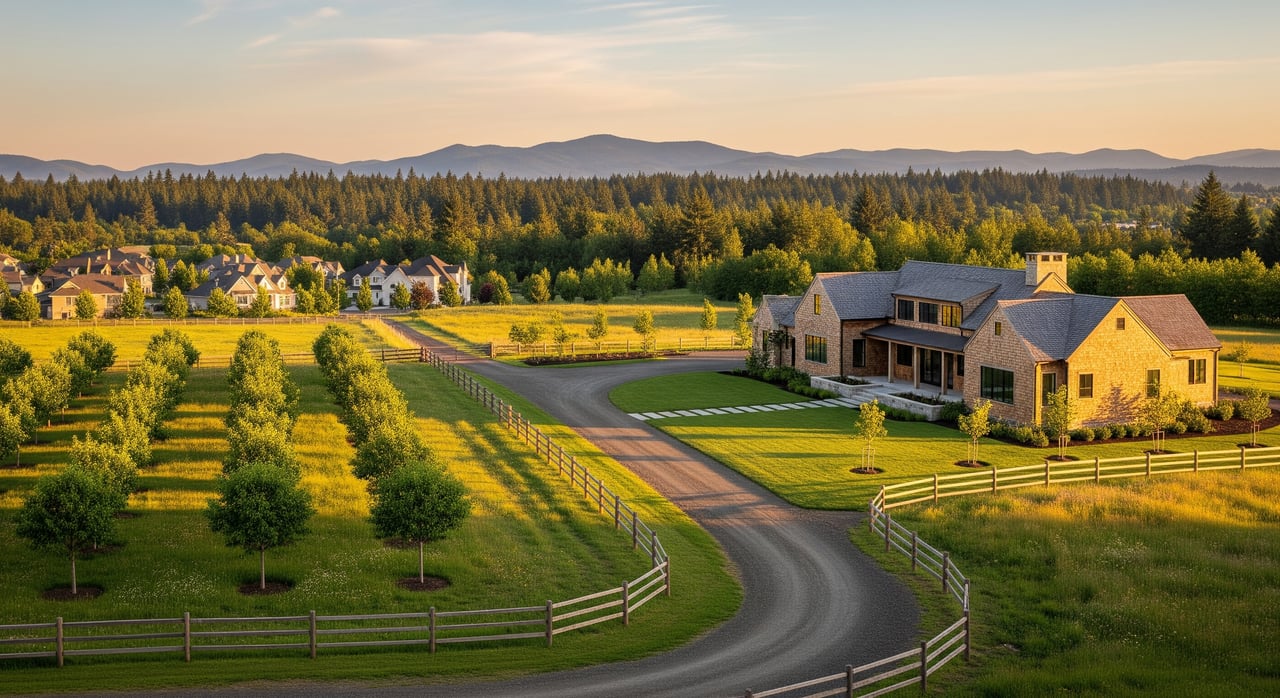
Do you picture quiet mornings with room to roam, or a low-maintenance neighborhood where everything you need is close by? If you are weighing acreage against suburban living around Jefferson, you are not alone. Each path offers real benefits along with tradeoffs for cost, maintenance, and day-to-day convenience. In this guide, you will learn how zoning, utilities, financing, and risk factors differ in Marion County, plus a practical checklist to make a confident decision. Let’s dive in.
Who thrives on acreage vs suburbia
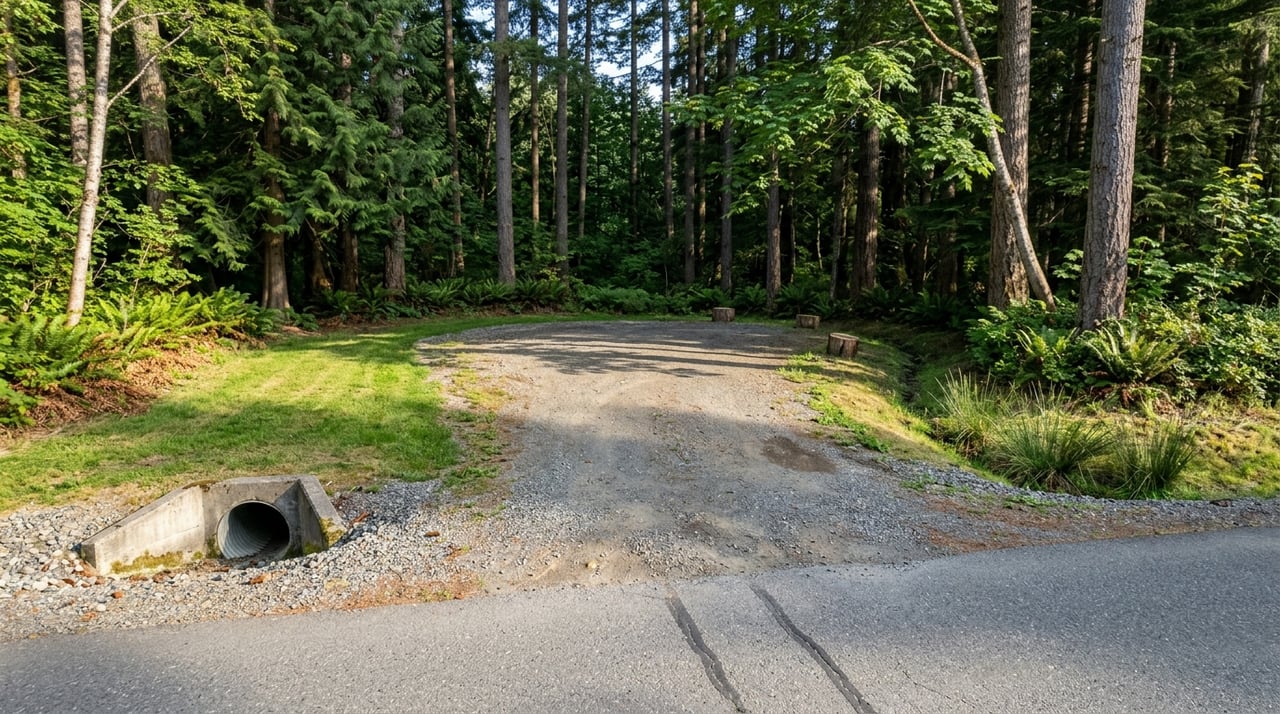
Acreage around Jefferson can be a great fit if you value privacy, space for hobbies, and the freedom to work the land. You may want room for animals, a large shop, or a big garden. You trade convenience for control and open space.
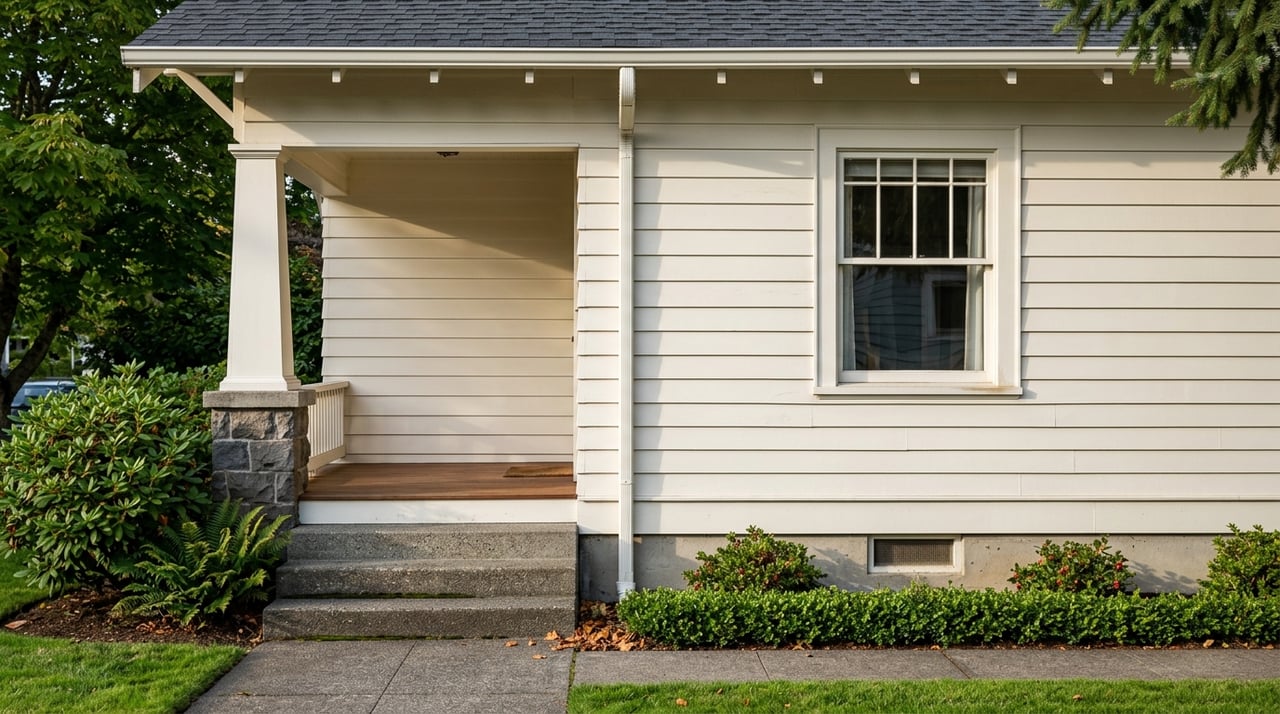
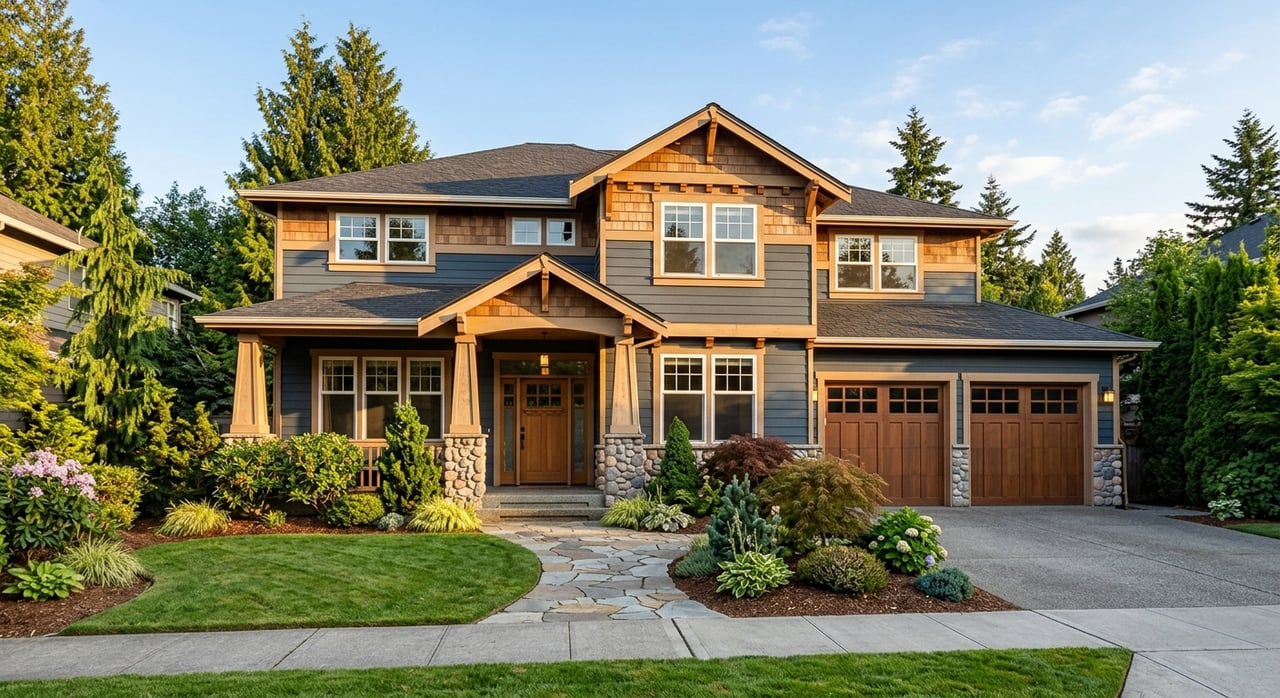
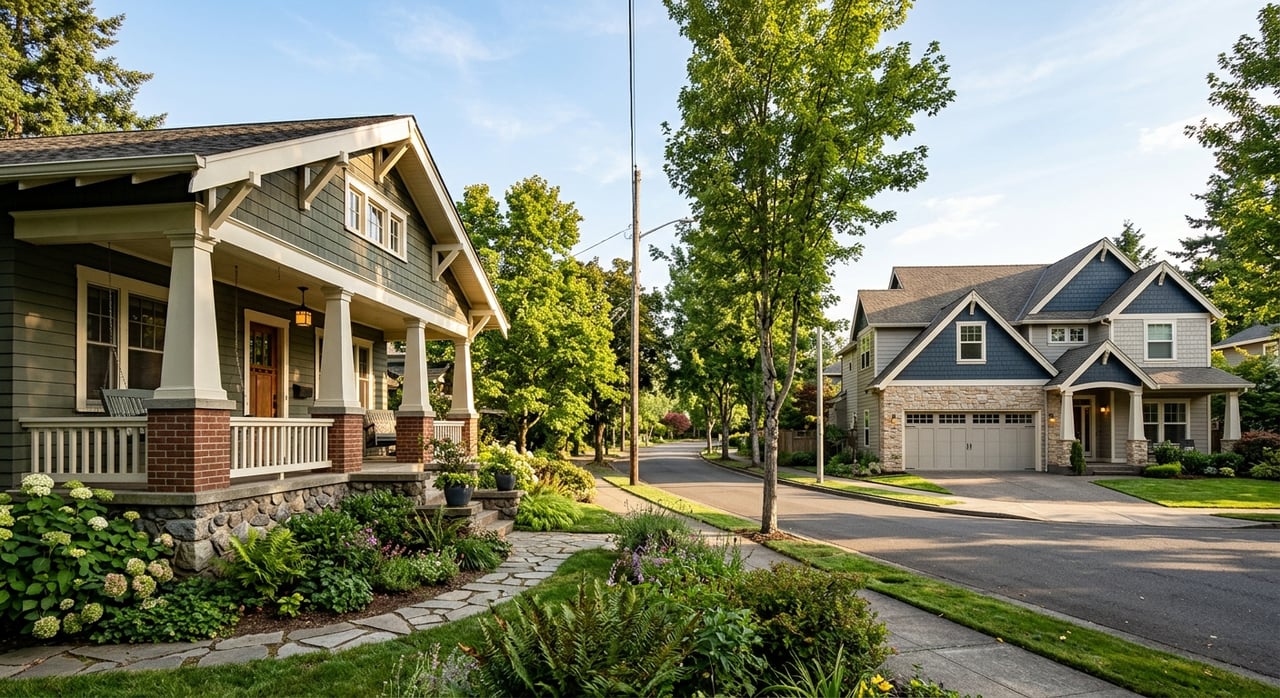
Suburban living in or near Jefferson often suits you if you prefer shorter to-do lists and closer access to services. You gain municipal utilities, sidewalks, and a built-in sense of community. You trade space for simplicity and quicker trips to stores and schools.
Zoning and permits in Marion County
Zoning is the rulebook for what you can do with a property. In Marion County, it controls allowed uses, the ability to add structures, and whether a parcel can be divided. Confirm zoning early to avoid surprises.
Acreage zoning basics
Many rural parcels fall in Exclusive Farm Use or other agricultural zones, or rural residential designations. Farm-use zones generally protect agricultural activity and can limit residential subdivision. Minimum lot sizes and nonconforming parcels are common. If you plan animals, a home business, or an accessory dwelling, verify allowed uses and approvals.
Suburban zoning basics
Inside or near the city, zoning typically supports residential neighborhoods with smaller lots. You are more likely to find clear rules for additions, fences, and accessory structures. If you want options like an accessory dwelling unit, check local code and building permit history.
Permits and records to review
- Building permits and inspection history for all structures
- Septic permits and system design if not on sewer
- Well log, pump details, and any water-right documentation
- Recorded easements, covenants, and any deed restrictions
Utilities and services: key differences
Utilities often determine whether a property supports your lifestyle with comfort and reliability. Rural and suburban setups can look very different in practice.
Water and sewage
- Acreage: Most rural homes rely on private wells and septic systems. Plan for water-quality testing, well yield checks, and ongoing septic maintenance and pumping. Seasonal water levels can vary by site.
- Suburban: Many homes in or near city limits connect to municipal water and sewer. Confirm current connections and any system development charges for future tie-ins.
Power, heat, and fuel
- Acreage: Electric service is common, but you may also use propane or oil heat. If the parcel is not fully served, you may face costs to extend power. Many rural owners plan for backup power.
- Suburban: Grid power and natural gas are more available, and service calls are often simpler to schedule and complete.
Broadband and phone
- Acreage: Internet options can be limited to DSL, fixed wireless, or satellite. Always confirm provider options and speeds before you fall in love with a property.
- Suburban: Cable or fiber is more likely, which supports work-from-home needs and streaming without extra equipment.
Roads and access
- Acreage: Private roads and shared driveways are common. Ask who maintains them, whether agreements are recorded, and if access is legally documented. Maintenance costs and neighbor coordination can add up.
- Suburban: County or city-maintained roads bring more consistent maintenance and snow removal. Everyday access is simpler and predictable.
Emergency services and fire protection
- Acreage: Response times may vary and hydrants are not guaranteed. If you are in a Wildland Urban Interface area, you may need defensible-space measures and annual upkeep.
- Suburban: Proximity to fire stations and hydrants often improves response. Insurance carriers may view suburban addresses more favorably for risk.
Costs, financing, taxes, and insurance
Acreage and suburban properties can both qualify for common loan programs, but lenders and insurers look at them differently. Plan ahead so your financing and coverage are ready when you need them.
Financing options
- Conventional, FHA, and VA loans can work for both home types. Lenders will look closely at access, utilities, and any unpermitted structures.
- USDA Rural Development may be an option for eligible rural properties. Check eligibility and income limits early.
- Expect well yield tests and septic inspections to be part of loan approval for acreage. Confirm road access and easements are clear.
Property taxes and assessments
- Marion County’s Assessor can confirm current taxes and any special assessments. If a parcel has a farm-use deferral, taxes may change if the use changes after closing.
- Ask for tax history, any active deferrals, and whether assessments will shift with a new owner.
Insurance and wildfire risk
- Acreage: Premiums can be higher in wildfire risk zones or where fire flow is limited. Carriers may require defensible space, roof maintenance, and ember-resistant upgrades.
- Suburban: Coverage is often easier to place, but you should still price multiple quotes. Confirm liability needs if you plan rentals or special uses.
Environmental and safety factors
Rural properties deserve an extra layer of hazard and site review. Suburban homes benefit from existing systems and known surroundings, but checks still matter.
Wildfire risk and mitigation
If you are in or near wildland areas, plan for defensible space, regular vegetation management, and fire-safe improvements. Insurance and building plans may depend on it.
Floodplains and wetlands
Check whether a property sits in a mapped floodplain or near wetlands. Flood insurance, building setbacks, and permit complexity can follow. Seasonal drainage patterns can impact site plans and usability.
Soils, slope, and drainage
Soil type affects septic suitability and building costs. Steeper slopes can limit usable acreage and drive up excavation budgets. Inspect for seasonal saturation and runoff patterns that could stress foundations and driveways.
Agricultural activity and expectations
If you border working farms, expect dust, early morning equipment, and harvest noise. Right-to-farm protections can allow nearby agricultural operations that are part of rural life.
Lifestyle, commute, and community
Privacy and hobbies
Acreage lets you spread out, garden, raise animals, and build a shop or studio. Nights are darker and quieter. You take on more maintenance, from mowing to managing trees and drive surfaces.
Proximity and routines
Suburban neighborhoods give you quicker trips to groceries, parks, and community services. Daily life is more predictable. You will have neighbors close by and less room for big projects.
Resale and marketability
Acreage tends to attract a niche buyer pool. Marketing timelines can be longer, and pricing depends on usable land, legal access, water, fencing, and permitted structures. Documented improvements add value.
Suburban homes often draw a broader set of buyers, which can shorten time on market. Clear permit history and low-maintenance systems help buyers feel comfortable.
Due diligence checklist for Jefferson buyers
Use this list to reduce surprises and strengthen negotiations:
- Property documents: current deed, recorded easements, covenants, and any survey
- Zoning and land-use: current zoning, allowed uses, and any pending applications
- Utilities: well log and recent water tests, pump info, septic permits and drain field map, power provider, broadband options, garbage service, mailbox location
- Access: recorded road or driveway easements, road maintenance agreements, county vs private road status
- Inspections and tests: structural, roof, pest, well yield and water quality, septic inspection and pump, soil evaluation if needed
- Hazards: wildfire risk and defensible-space needs, FEMA flood status, wetlands, slope and drainage, any known contamination
- Financing: lender preapproval, appraisal guidance for acreage, requirements for well and septic
- Insurance: quotes for homeowners and wildfire coverage, liability needs if animals or equipment are present
- Community services: fire district, school district boundaries, nearest medical, and common routes to Salem, Albany, or Corvallis
Prep checklist for sellers of acreage or suburban homes
- Gather records: permits, well log, water tests, septic records, road agreements, recent maintenance
- Map what matters: property boundaries, access points, drain field, irrigation, and utility locations
- Fix small items: service the well pump, pump the septic if due, tune up HVAC, trim vegetation for fire safety
- Highlight value: usable acreage, fencing, shop or barn, water access, recent upgrades, and clear access
- Price and positioning: align with local comps and buyer segments, such as hobby farmers, equestrian users, privacy seekers, commuters, or first-time buyers
Action steps to choose with confidence
- Define your top three goals. Space and privacy, or convenience and simplicity.
- Call your lender. Confirm loan options for the property type you prefer, including well and septic requirements.
- Verify zoning and utilities. Confirm water source, sewer or septic, power, internet options, and legal access.
- Order key inspections. Schedule well yield and water testing, septic evaluation, and a full home inspection.
- Check hazards. Confirm wildfire risk, flood status, soils, and any wetland considerations.
- Plan insurance. Get quotes early and understand any mitigation steps required.
- Think resale. Consider market appeal, maintenance load, and improvements that add value.
Choosing between acreage and suburban life in Jefferson comes down to how you want to live and what you want to maintain. If you want room to stretch and do more with your land, acreage can be a rewarding choice. If you want low maintenance and quick access to town life, a suburban home may be right. When you are ready for local guidance and a clear plan, talk with the team at Wildland Property Group. We will help you compare options, confirm the details, and move forward with confidence.
FAQs
What should I confirm about zoning in Marion County?
- Verify the property’s zoning designation, allowed uses, minimum lot size, and whether any nonconforming conditions or land-division rules apply.
How do wells and septic systems affect a loan?
- Many lenders require a well yield and water-quality test plus a septic inspection. Unpermitted or failing systems can delay or prevent loan approval.
Are farm-use tax deferrals transferable to me?
- They can be, but changes in use may trigger reassessment. Ask the county assessor for the current tax status and any deferrals tied to the parcel.
How does wildfire risk change my costs on acreage?
- Higher risk can increase premiums and may require defensible space or upgrades. Plan for vegetation management and confirm requirements with your insurer.
Is resale usually faster for suburban homes in Jefferson?
- Often yes. Suburban homes tend to attract a broader buyer pool, while acreage appeals to specialized buyers and may take longer to market.