Thinking about buying a historic home in Brownsville? You are not alone. Older homes in this part of Linn County can offer real charm, a strong sense of place, and details that are hard to find in newer construction, but they also come with a different set of expectations. If you want to know what ownership may actually look like, from inspection priorities to renovation rules, this guide will help you walk in with your eyes open. Let’s dive in.
Brownsville Historic Homes Have Deep Roots
Brownsville is one of Oregon’s early settlements, and that history still shows up in the homes you see around town. The city notes that downtown includes buildings from the 1880s to the 1920s, and many historic houses date back to the 1850s.
That matters because a historic home in Brownsville usually does not feel like a brand-new property dressed up with vintage style. Instead, you are often looking at a home that has lived through multiple generations of repairs, updates, and changing tastes.
In practical terms, you should expect a mix of old and newer elements. A house may still have original character-defining features while also reflecting later work done over many decades.
What Makes These Homes Appealing
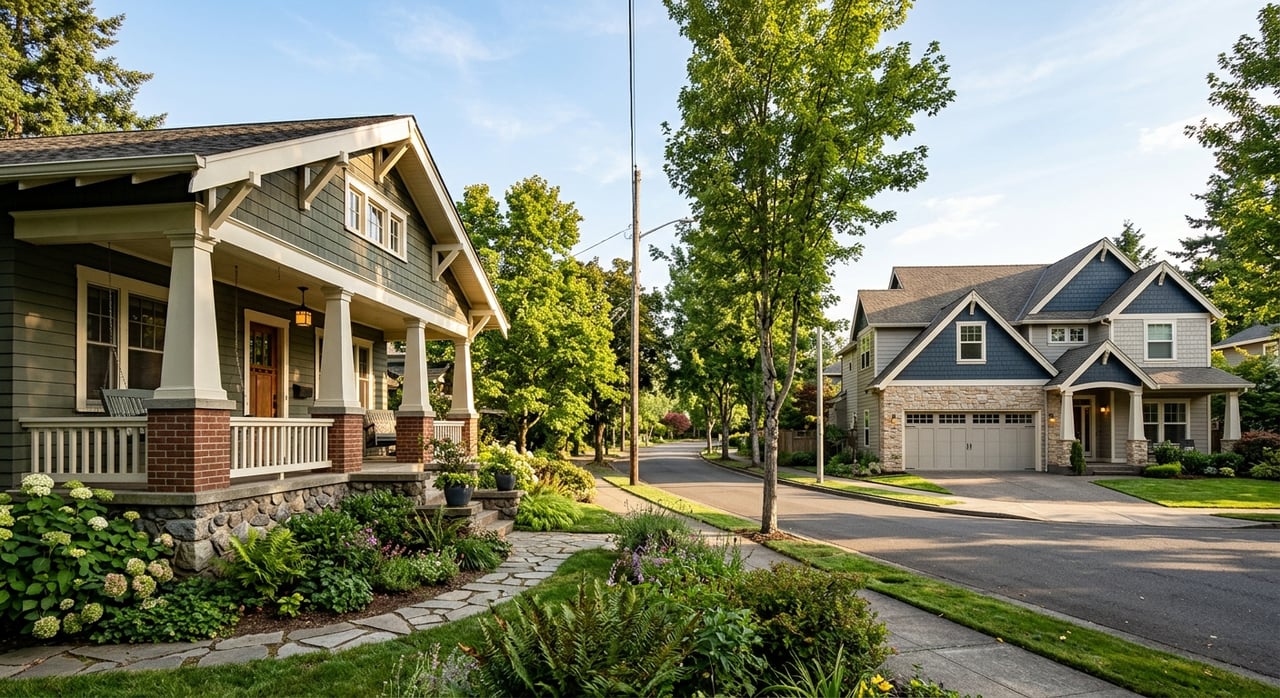
Part of the draw is the architecture and craftsmanship. Brownsville’s historic character often includes visible trim, detailed woodwork, original window openings, and front porches that help shape the streetscape.
A local example is the Moyer Historic House, an 1882 Italianate mansion described as a large Victorian home with ornate details and a porch. While not every home will look that elaborate, it gives you a good sense of the kind of character that can make Brownsville’s older homes feel special.
For many buyers, that appeal comes down to things you can see and feel right away, such as tall windows, decorative exterior details, and a layout that reflects an earlier era. Those features can be a big part of why a home stands out, but they can also mean more upkeep over time.
Expect Older Materials And Layered Updates
One of the biggest mindset shifts with a historic home is understanding that “original” does not always mean untouched. In Brownsville, many older houses have been repaired or remodeled more than once.
That does not automatically mean something is wrong. It simply means the home may show pieces of different time periods, with some areas preserved and others updated as needs changed.
As you tour homes, look beyond surface charm. A historic-looking exterior or interior may hide decades of piecemeal improvements, and the quality and compatibility of that work matters.
Exterior Details Matter More Than You Think
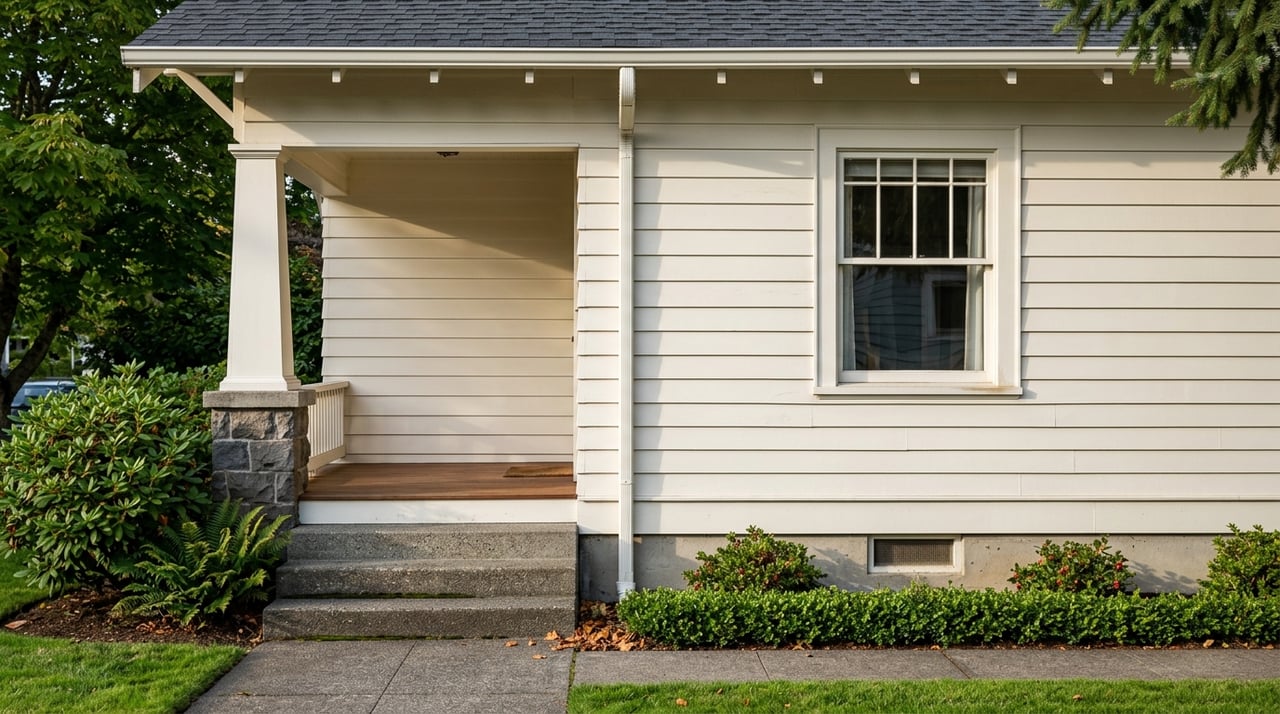
Brownsville’s historic-review standards show just how important exterior features can be. The code specifically calls out siding, roofing, gutters and downspouts, foundation changes, window sashes, porch railings and steps, awnings, additions, and the placement of HVAC or solar equipment.
For you as a buyer, that is a clear signal that these are not minor details. Exterior woodwork, trim, porches, and window patterns are often part of the home’s historic character and may need to be preserved, repaired, or matched carefully if changes are made.
If a house has had exterior work in the past, it is smart to ask whether those changes were done with materials and designs that fit the original structure. Brownsville’s standards favor repair or restoration of original exterior features and matching materials when replacement is needed.
Moisture Should Be A Top Concern
If there is one issue to take seriously in an older home, it is moisture. National Park Service guidance points to recurring moisture problems in older buildings as a major concern, often tied to the roof, site drainage, below-grade moisture, plumbing and mechanical systems, air infiltration, and condensation.
Visible warning signs can include mold or mildew, wet stains, peeling paint, warped or rotted wood, condensation on windows or walls, and roofing or gutter issues. In Brownsville, that makes the roofline, gutters, downspouts, grading, and crawlspace or basement especially important areas to review.
A pretty porch and old-growth trim can catch your eye first, but moisture issues can create the more expensive surprises. A careful inspection should help you understand whether the home has an active water problem or simply the normal wear of an older structure.
Windows, Trim, And Porches Need Careful Review
Historic windows and exterior wood features deserve close attention because they can be both valuable and vulnerable. Repair is often preferred over replacement when possible, and when replacement is necessary, matching the original design, color, texture, and material is generally the goal.
Brownsville’s code lines up with that approach. It allows storm windows and replacement sashes only when they complement the existing building, and it favors porch repairs that restore or imitate original details.
For you, this means old windows are not automatically a deal breaker, but they do require informed evaluation. A contractor or inspector who understands older homes can help you determine what is repairable and what may need more extensive work.
Lead Paint Is A Real Consideration
If the home was built before 1978, you should assume lead-based paint may be present unless testing shows otherwise. According to the EPA, homes built before 1940 are especially likely to contain lead-based paint, and Brownsville has many homes old enough for that risk to matter.
This becomes especially important if you plan to sand, scrape, repaint, repair windows, or tackle other renovation projects. Even a small cosmetic update can turn into a lead-safe work issue in an older home.
That does not mean you should avoid historic homes. It simply means you should plan carefully before starting work and ask direct questions during your due diligence period.
Permits Matter In Brownsville
Permit history is a big part of buying any older home, but it matters even more when the house has visible additions or exterior alterations. Brownsville says it has an intergovernmental agreement with Linn County for building permits, with the city acting as a drop-off point while Linn County handles building-code enforcement.
The city also notes that electrical permits require a trip to Albany. That may sound like a small detail, but it is a helpful reminder that renovation planning in Brownsville can involve more than one local process.
If you are considering a historic property, ask early about permit records for past work. That can help you spot whether changes were properly documented and whether future projects may require extra review.
Some Homes May Need Historic Review
Brownsville has a local historic-review process for certain properties. Under city code, any exterior alteration requiring a building permit on a structure listed as historically significant on the Brownsville Historic Resources Inventory must be reviewed by the City Administrator before the permit is issued.
That is important if you are dreaming about a major exterior remodel, new addition, or visible mechanical upgrade. The home may still offer flexibility, but changes may need to fit local preservation standards.
The city also prefers additions to be placed at the rear or side-rear, no taller than the original structure, and built with materials and roof forms that resemble the original home as closely as possible. If you want to modernize, planning ahead matters.
Modern Upgrades Can Still Be Possible
Owning a historic home does not mean you have to live without modern systems. It does mean those updates may need to be handled with more care.
Brownsville’s standards say permanent heating, cooling, and solar equipment should not destroy original architectural features and, if possible, should not be visible from the public right-of-way. So if efficiency and comfort upgrades are on your wish list, they may still work, but design and placement are likely to matter.
This is where a preservation-aware contractor can be especially helpful. The right planning can help you balance modern function with the home’s historic appearance.
Questions To Ask Before You Buy
A historic home purchase usually goes better when you ask detailed questions early. You do not need to be an expert, but you do want clear answers from the people evaluating the property.
Here are a few smart questions to bring to your inspector or contractor:
- Where is water entering the home, if anywhere?
- Do the roof, gutters, downspouts, grading, crawlspace, or basement show signs of chronic moisture?
- Are the windows, siding, trim, and porch elements repairable?
- If something needs replacement, can it be matched in a way that fits Brownsville’s standards?
- Was the home built before 1978, and should lead-safe testing or work practices be assumed?
- Are there any visible exterior changes that may not have been permitted?
- Is the property on Brownsville’s Historic Resources Inventory?
- If you want to add HVAC, solar, or an addition later, how would that work under local review standards?
The Right Mindset For Ownership
Historic homes rarely reward a quick-fix mindset. National Park Service guidance notes that moisture and other building issues often improve through monitoring, maintenance, and step-by-step diagnosis rather than cosmetic shortcuts.
That is a useful way to think about Brownsville ownership. The best fit is usually a buyer who values character and is prepared for steady upkeep, careful planning, and a little more patience than a newer home may require.
If that sounds like you, a historic home can offer something hard to duplicate. You are not just buying square footage. You are buying into a piece of Brownsville’s built history.
If you are weighing a historic home in Brownsville or anywhere in the Willamette Valley, Wildland Property Group can help you sort through the details with local, practical guidance.
FAQs
What should you expect from a historic home in Brownsville, Oregon?
- You should expect older construction, a mix of original features and later updates, and a home that may need more maintenance and planning than a newer property.
What exterior features matter most on a Brownsville historic home?
- Brownsville’s standards place importance on siding, roofing, gutters, downspouts, window sashes, porch details, foundation changes, awnings, additions, and the placement of visible equipment like HVAC or solar.
What inspection issues matter most for a Brownsville historic property?
- Moisture should be a top priority, especially around the roof, gutters, drainage, crawlspace, basement, windows, and exterior woodwork.
What should you know about lead paint in an older Brownsville home?
- If the home was built before 1978, you should assume lead-based paint may be present unless testing shows otherwise, especially before sanding, scraping, repainting, or window repairs.
What permit rules apply to historic homes in Brownsville, Oregon?
- Brownsville uses Linn County for building-code enforcement, and some exterior work on historically significant properties may require local historic review before a permit is issued.
Can you update or add systems to a historic home in Brownsville?
- In many cases yes, but upgrades like heating, cooling, solar, or additions may need to be placed and designed so they do not damage original features or conflict with local preservation standards.