Wondering which part of Salem feels most like your kind of home? That question matters here because Salem offers more variety than many buyers expect, from older close-in districts to practical suburban areas and small-acreage edges near the city fringe. If you are trying to match your budget, daily routine, and long-term plans to the right setting, this guide will help you understand the three big neighborhood styles in Salem. Let’s dive in.
Salem has three main neighborhood styles
Salem is a city of 180,406 residents spread across 48.8 square miles, and that size creates a wide mix of living patterns. The city has a 55.9% owner-occupied housing rate, a median owner-occupied home value of $416,900, a median gross rent of $1,400, and a mean travel time to work of 22.0 minutes.
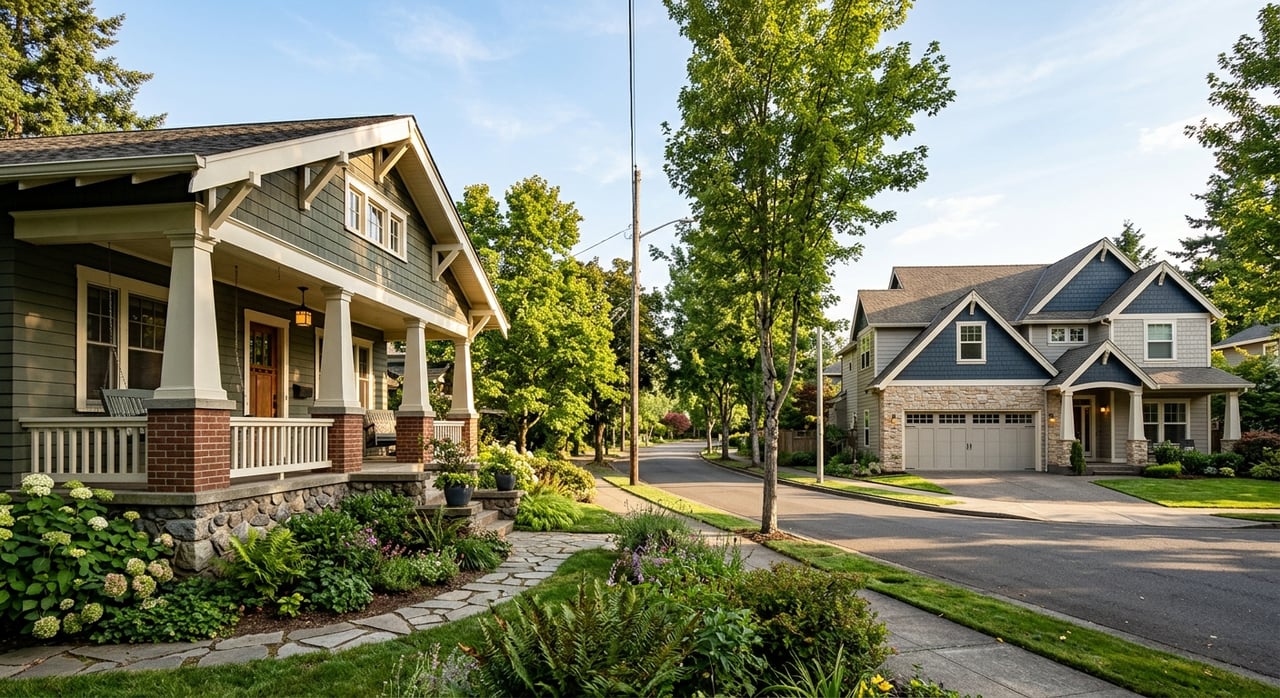
On the ground, many buyers experience Salem in three broad ways: historic core, suburban neighborhoods, and acreage edges. These are not official real estate categories, but they are a useful way to think about how different parts of Salem live day to day.
Salem also keeps evolving. The city recognizes 17 neighborhood associations, uses an 8-ward map to help residents identify local boundaries, and continues to guide growth toward walkable mixed-use centers and corridors.
Historic Salem neighborhoods
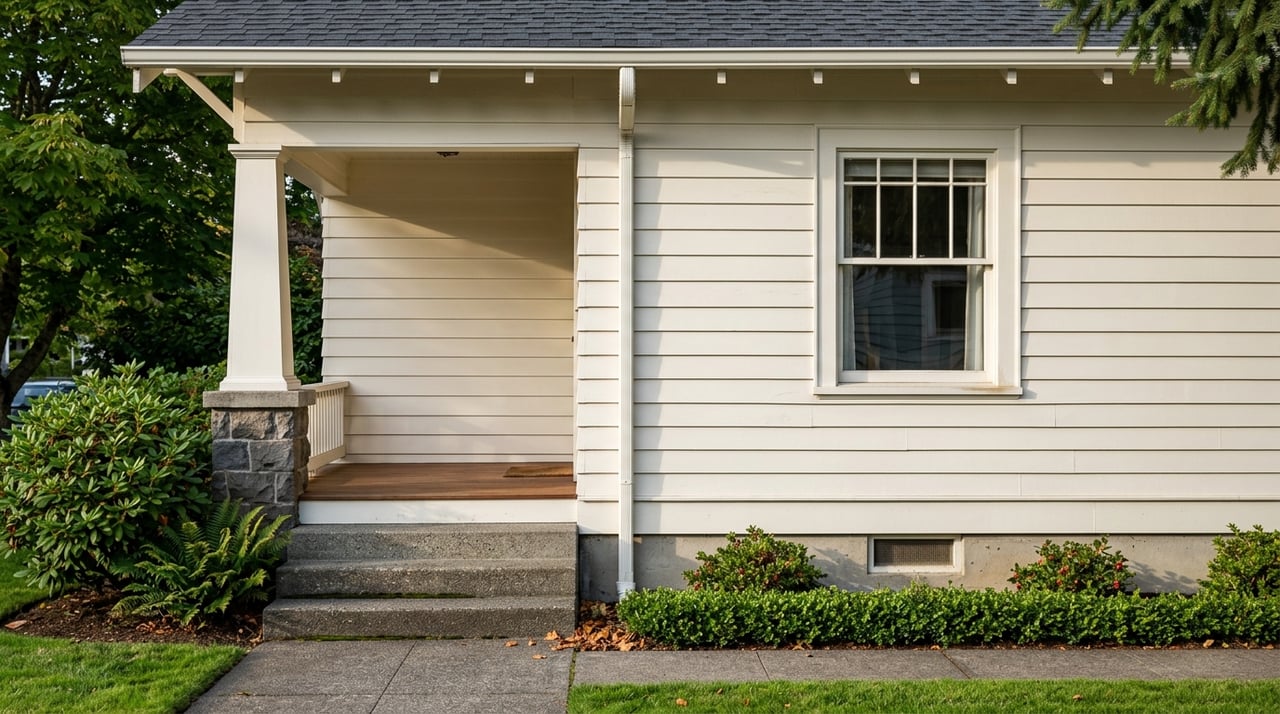
If you love older architecture, established street patterns, and quick access to downtown destinations, Salem’s historic areas may feel like the best fit. These close-in parts of the city often offer a more urban and pedestrian-oriented experience than later-built neighborhoods.
The city says Salem has more than 150 individually listed historic properties and four National Register Historic Districts. Those districts are Gaiety Hill/Bush’s Pasture Park Residential District, Court-Chemeketa Historic District, Downtown Commercial Core, and the Oregon State Hospital district.
What defines the historic core
Historic Salem neighborhoods are tied to the city’s earliest growth. Court-Chemeketa includes homes from the late 1800s and early 1900s, while Gaiety Hill is known for bungalows built mainly between 1900 and 1915.
Downtown adds another layer to that character. The Downtown Commercial Core spans seven blocks and reflects commercial development from 1867 to 1950, which gives the area a very different feel than newer residential sections of Salem.
Where you see this style
Several places help illustrate Salem’s historic side. Downtown, Court-Chemeketa, Gaiety Hill/Bush’s Pasture Park, SESNA, and Highland are common examples.
Salem’s Heritage Neighborhood Program recognizes SESNA, Grant, Highland, and SCAN as designated heritage neighborhoods. The city describes SESNA as a historic area with more than 2,000 houses dating from the late 1800s, and Highland as a heritage-designated area with vintage homes, tree-lined streets, and proximity to the city center.
What daily life can feel like
Downtown is the clearest example of the historic-core lifestyle. CANDO, the downtown neighborhood association, notes that the area includes Salem’s Downtown Historic District, the Historic Elsinore Theater, Riverfront Park, state offices, City Hall, Salem Hospital, the State Capitol, and a variety of eateries.
For you as a buyer, that often means shorter trips to civic and cultural amenities and a setting with more activity close by. If your ideal home search includes older homes, established blocks, and a central location, this style is worth a closer look.
Suburban Salem neighborhoods
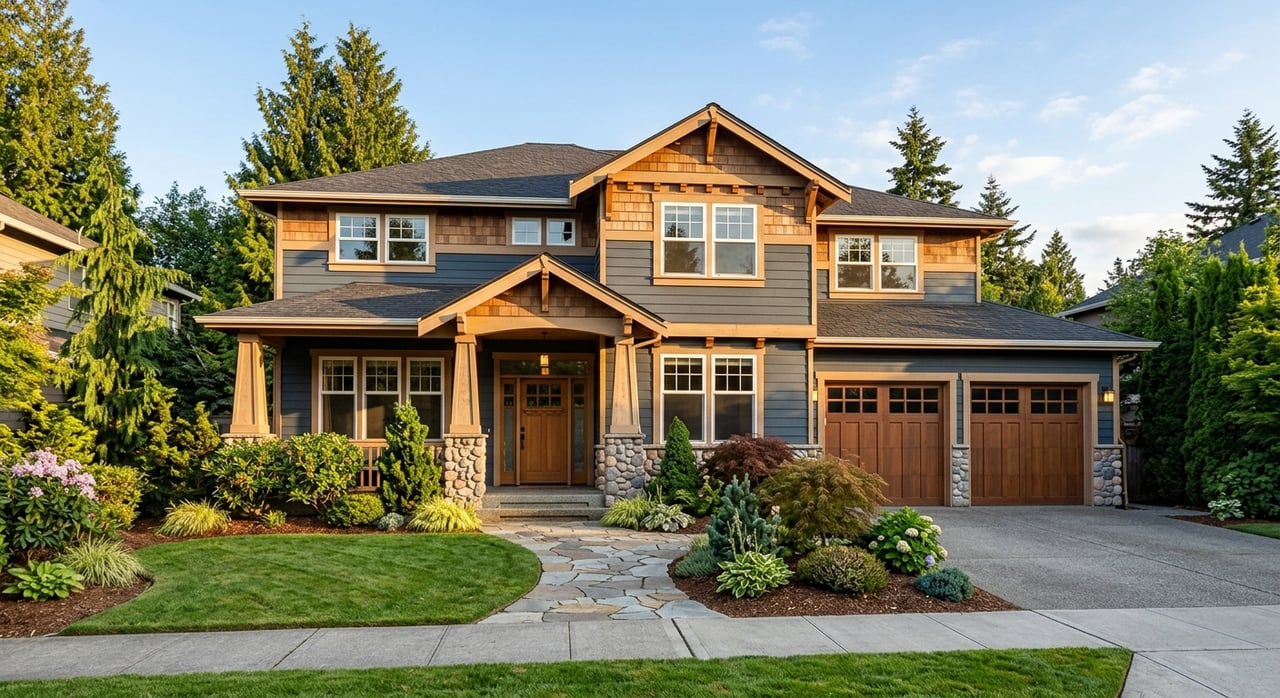
If convenience is high on your list, suburban Salem may offer the balance you want. These areas tend to center everyday life around major roads, shopping areas, parks, and neighborhood services.
Salem’s suburban pattern is not limited to one side of town. Instead, it shows up across a wide set of neighborhoods that connect residential areas to commercial corridors and daily errands.
What defines suburban areas
In many suburban parts of Salem, the street pattern tends to support driving first. At the same time, many of these neighborhoods still offer access to parks, transit, shopping, and community services.
The city’s planning direction is also shaping how some suburban areas change over time. Salem’s comprehensive plan supports walkable mixed-use centers and corridors, especially at major intersections and along major transportation routes served by frequent transit.
Corridors are changing the feel
One of the best examples is the State Street Corridor Plan. The city says this effort was designed to revitalize State Street from 12th Street to 25th Street into a vibrant, walkable, mixed-use corridor, with land-use rules and street design changes that support pedestrians and bicyclists.
The broader Our Salem work also rezoned thousands of acres to promote more walkable mixed-use areas. That matters because some neighborhoods may blend suburban convenience with a more connected design over time.
Where you see this style
Faye Wright, North Lancaster, East Lancaster, North East Salem, and parts of West Salem are useful examples of suburban Salem in everyday terms. Each has a slightly different personality, but they often share practical access to services and major routes.
Faye Wright is bounded by Commercial Street SE, Liberty Road S, and Kuebler Boulevard SE. North Lancaster is described as home to schools, parks, shopping malls, and eateries, while East Lancaster highlights cultural eateries, shops, and community agencies.
North East Salem includes Geer Community Park and Willamette Town Center. These details help show why many buyers see suburban Salem as a solid match for routine convenience and easier errand-running.
West Salem as a middle ground
West Salem stands out because it can feel like a bridge between suburban living and mixed-use convenience. The West Salem Neighborhood Association says the neighborhood sits in the northwest part of the city, and Salem’s comprehensive plan identifies inner West Salem as a mixed-use center with shops, services, jobs, and housing.
Transit access also supports that middle-ground feel. Cherriots serves West Salem through a transit center and routes 17, 26, and 27, adding another layer of everyday connectivity.
Acreage edges near Salem
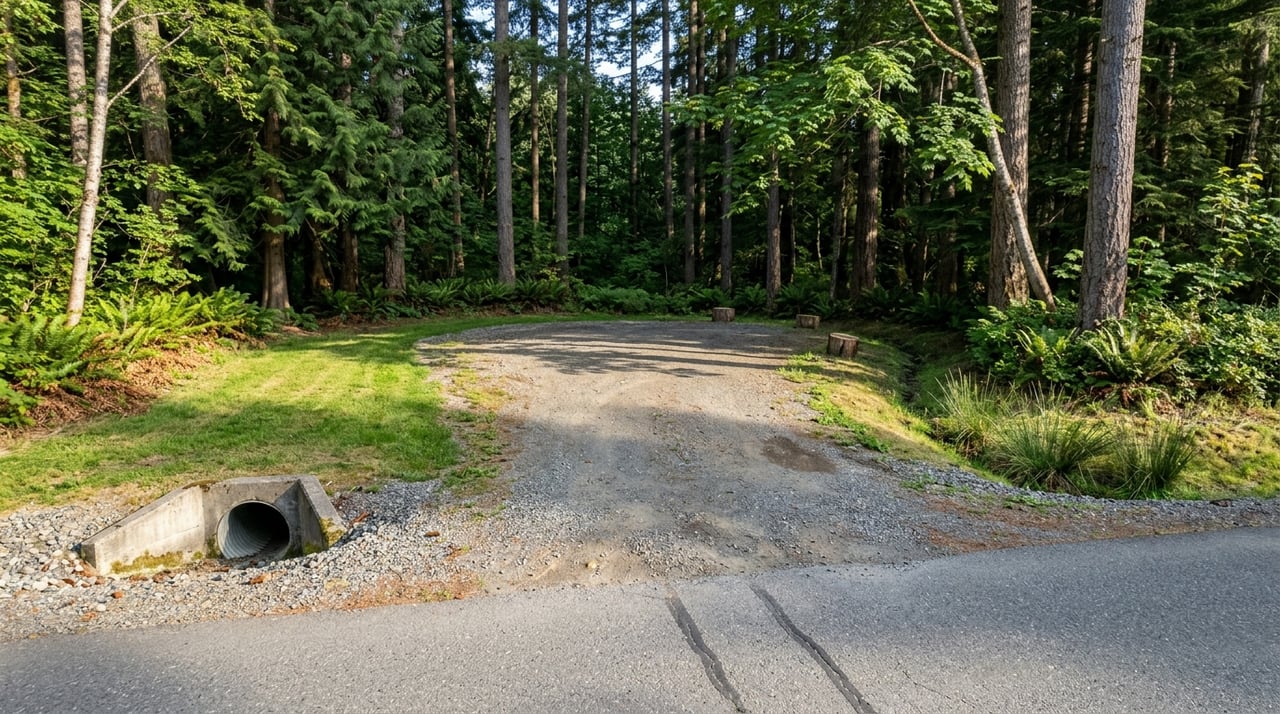
If you picture more open space, larger lots, and a little more separation from the city, Salem’s acreage edges may be the right style to explore. This is where the conversation shifts from city neighborhoods to rural transition areas around the fringe.
For these properties, county rules matter more. Outside urban growth boundaries, Marion County’s rural zoning is intended to conserve farm and forest lands, which shapes what many small-acreage properties look like and how they function.
What defines acreage living
Marion County says its Acreage Residential zone is for acreage homesites and rural residential development, and single-family dwellings are a permitted use. The county also says this zoning is designed to provide water and wastewater without exceeding environmental or public-service capability.
In existing acreage residential areas without environmental limitations, the county says the optimum lot size is 2 to 3 acres. Zone suffixes such as AR-3, AR-5, or AR-10 indicate minimum lot size.
What the lifestyle can involve
The county’s rural development plan describes rural residential living as a distinct residential experience with lower levels of government service, narrow roads, and the inconveniences associated with rural life. That is an important practical difference if you are comparing a small-acreage property to an in-town home.
In simple terms, acreage-edge living often means privacy and open space come first, while walkability and quick errands matter less. You may also need to pay closer attention to zoning, access, and private systems when evaluating a property.
Who this style may suit
Acreage edges can make sense if you want room to spread out or prefer a more rural feel near Salem. They can also appeal if you are comparing lifestyle choices, such as city access versus parcel size and privacy.
Because Wildland Property Group works with both residential properties and acreage, this is often where local guidance becomes especially helpful. The right fit is not just about the house itself, but also how the land and location support your goals.
How to choose the right Salem fit
The best neighborhood style depends on how you want to live, not just what a listing looks like online. Salem gives you real variety, so it helps to focus on your routine first.
Ask yourself a few simple questions:
- Do you want older architecture and close access to downtown amenities?
- Do you want easier access to shopping, parks, and main roads?
- Do you want more land, more privacy, and a more rural setting?
- How important is transit access or walkability to your daily life?
- Are you comfortable with the trade-offs that can come with acreage properties?
You may also want to think about how Salem is changing. With the city steering growth toward mixed-use corridors and transit-supportive places, some areas may continue to blend suburban ease with a more walkable design.
Why local guidance matters in Salem
Salem is not one-note, and that is part of what makes buying here more interesting. Two homes at similar price points can offer very different day-to-day experiences depending on whether they sit near downtown, along a suburban corridor, or closer to the rural edge.
Having a local team helps you compare those trade-offs clearly. Whether you are looking for a classic close-in home, a practical neighborhood with easy access to services, or a small-acreage property near Salem, the details behind the location matter just as much as the listing photos.
If you want help narrowing down the right Salem neighborhood style for your goals, Wildland Property Group is ready to help you explore the options with local insight and a practical, personalized approach.
FAQs
What are the main neighborhood styles in Salem, Oregon?
- Salem is commonly understood through three broad lifestyle patterns: historic core neighborhoods, suburban neighborhoods, and acreage-edge areas near the city fringe.
What defines historic neighborhoods in Salem?
- Historic Salem areas are generally known for older architecture, tighter blocks, and close access to downtown civic and cultural amenities, with examples including downtown, Court-Chemeketa, Gaiety Hill/Bush’s Pasture Park, SESNA, and Highland.
What defines suburban neighborhoods in Salem?
- Suburban Salem neighborhoods typically offer convenient access to shopping, parks, services, and major roads, with examples including Faye Wright, North Lancaster, East Lancaster, North East Salem, and parts of West Salem.
What should buyers know about acreage properties near Salem?
- Acreage-edge properties near Salem often offer larger lots and a more rural feel, but Marion County says rural residential living can involve lower levels of government service, narrow roads, and other rural-life trade-offs.
How is Salem planning for future neighborhood growth?
- Salem’s planning direction supports walkable mixed-use centers and corridors, especially along major transportation routes and in places served by frequent transit.
What makes West Salem different from other Salem neighborhoods?
- West Salem can feel like a middle ground because inner West Salem is planned as a mixed-use center with shops, services, jobs, and housing, and it is also served by the West Salem transit center and several Cherriots routes.